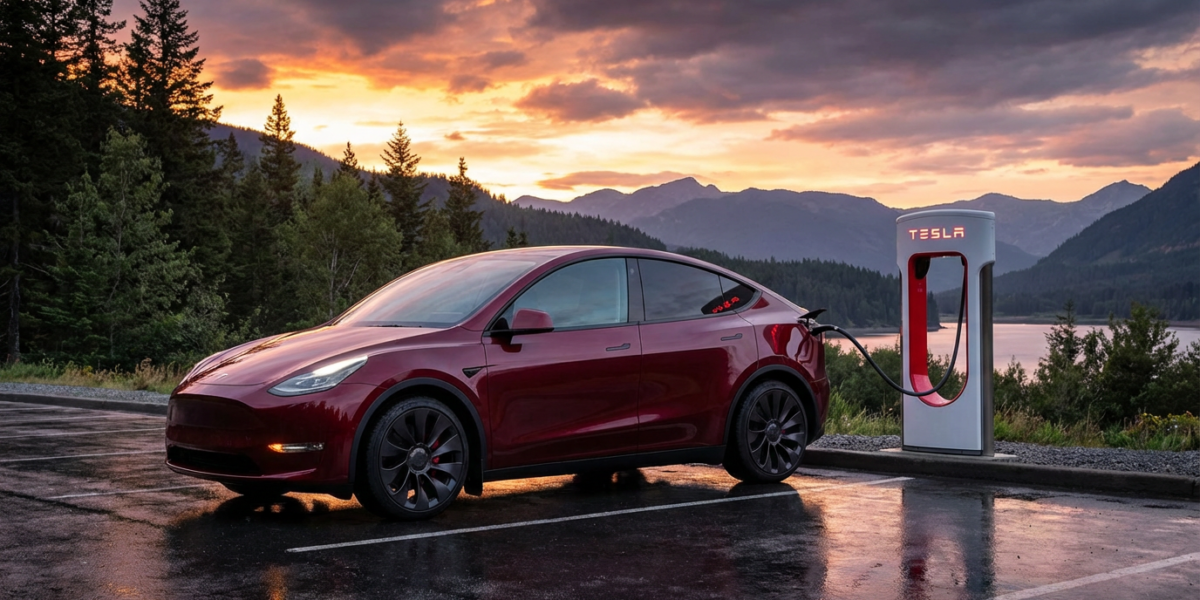
As of September 30, 2025, the federal EV purchase tax credit officially expired. The $7,500 credit for new EVs and $4,000 for used EVs are gone.
But here’s the reality: EV incentives did not disappear. They shifted.
State programs, utility rebates, and the remaining federal charger credit now represent the real opportunity. In many cases, smart buyers in 2026 can still reduce total EV ownership costs by $3,000 to $15,000+ by stacking incentives correctly.
This guide breaks it all down — state by state — and shows you exactly how to maximize savings.
FEDERAL EV INCENTIVES: WHAT ENDED AND WHAT REMAINS
What Ended
- $7,500 federal credit for new EVs
- $4,000 federal credit for used EVs
These expired September 30, 2025.
What Remains: Federal Level 2 Charger Tax Credit (Through June 30, 2026)


4
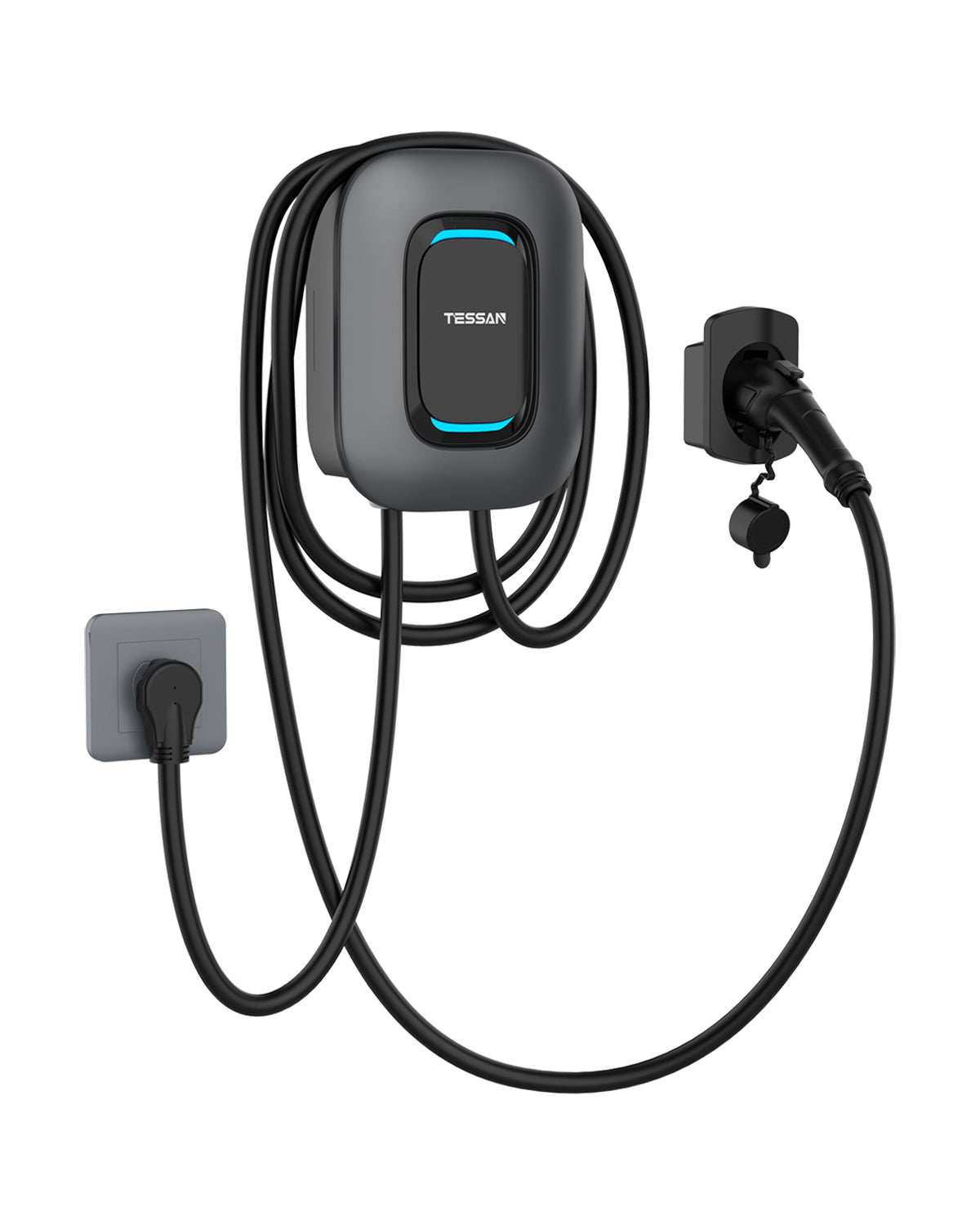
The Alternative Fuel Infrastructure Tax Credit remains active through June 30, 2026.
Credit Value:
30% of charger purchase and installation costs
Cap: $1,000 per charging location
Covers:
- Charger hardware
- Installation labor
- Electrical panel upgrades (in many cases)
- Associated energy storage
Eligibility
Your home must be in:
- A low-income census tract (≥20% poverty rate), OR
- A non-urban area
Check eligibility using the IRS Energy Income Tax Credits tool before installing.
Hard deadline: June 30, 2026.
STATE EV PURCHASE TAX CREDITS & REBATES (2026)
Seventeen states currently offer EV incentives. Below is the structured breakdown.
TOP-TIER STATES ($5,000+)
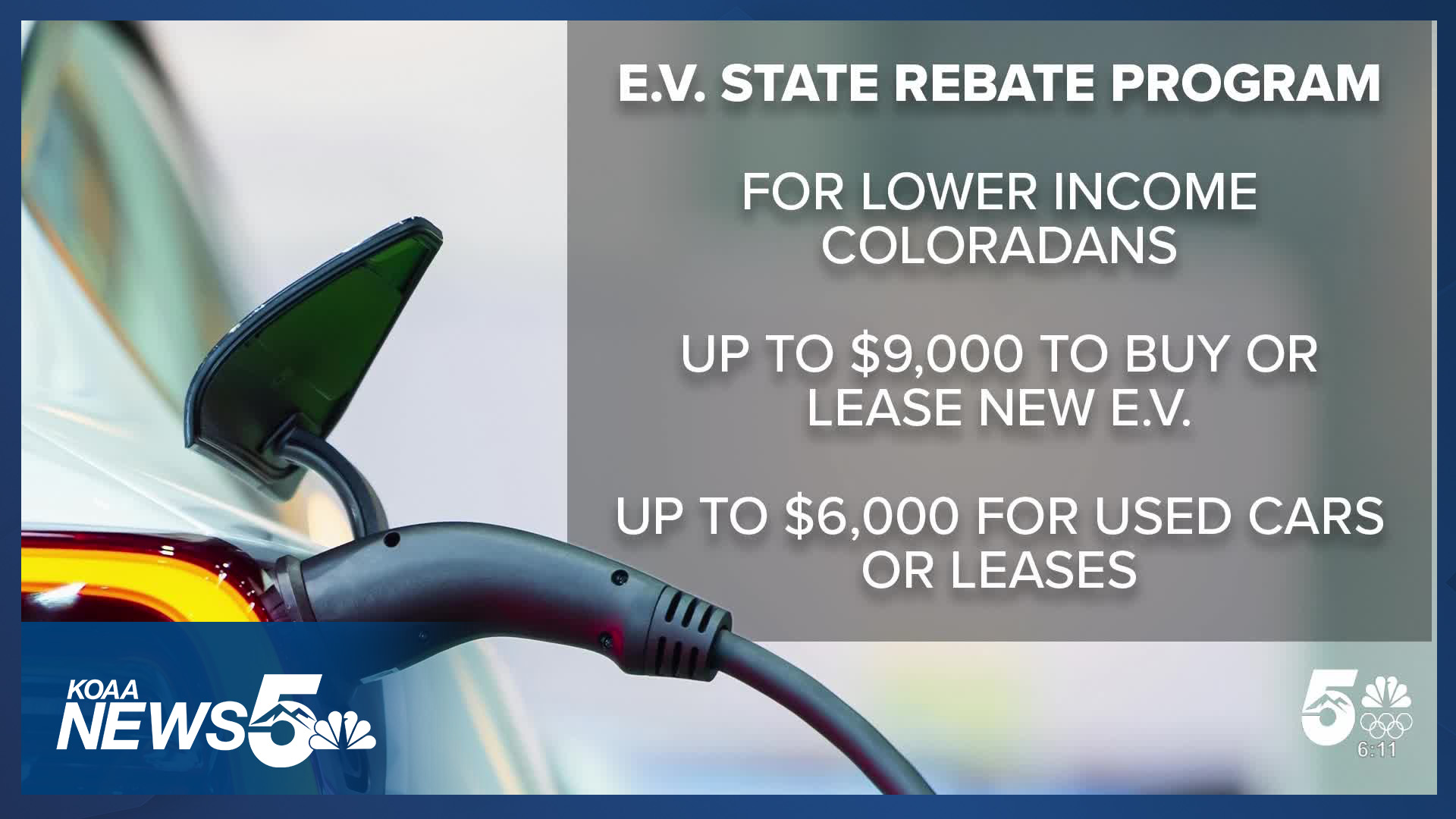
COLORADO – Vehicle Exchange Colorado Program

4
- New EV rebate: Up to $9,000
- Used EV rebate: Up to $6,000
- Trade-in required (high-emitting vehicle)
- MSRP cap: $80,000 new / $50,000 used
- Additional state tax credit: $750
Stacking potential:
With Xcel Energy charger rebates and federal credit, total savings can exceed $11,000.
OREGON – Clean Vehicle Rebate Program
- New EV: Up to $7,500
- Used EV (low/moderate income): Up to $5,000
- 2025 funding round launched November
- Many dealers offer point-of-sale rebates
MAINE – Clean Vehicle Rebate
- New EV: Up to $7,500
- Used EV: Up to $4,000
- MSRP cap typically under $60,000
MID-TIER STATES ($2,500–$4,000)
CONNECTICUT – CHEAPR Program
- Base rebate: $1,000
- Income-qualified bonus: $3,000
- Total possible: $4,000
DELAWARE – Clean Vehicle Rebate
- Up to $2,500
- Vehicle must be under $40,000
ILLINOIS – Clean Vehicle Rebate
- $4,000 standard rebate
MASSACHUSETTS – MOR-EV
- $4,000 standard
- $500 bonus for efficiency criteria
NEW JERSEY – Charge Up NJ


4
- $2,000 base incentive
- Additional $2,000 income-qualified
- Applies to new, used, and leases
LOWER-TIER STATES ($750–$2,500)
- Maryland – Up to $3,500 (+ income and trade-in bonuses)
- New York – $500–$2,500 depending on vehicle
- Pennsylvania – $2,250 new / $1,500 used
- Rhode Island – $1,500
- Vermont – $750–$2,500
- California – Clean Cars 4 All (income-qualified up to $12,000 combined assistance)
Additional active programs exist in:
- Minnesota
- Nevada
- New Mexico
- Georgia (utility-driven programs rather than state purchase rebates)
LEVEL 2 CHARGER INSTALLATION REBATES BY STATE
This is where serious savings happen.
Utility companies nationwide are offering aggressive rebate programs.
TOP-TIER CHARGER INCENTIVES ($1,000+)
CALIFORNIA – Charge Up LA!

4
- $1,000 base rebate
- $250 dedicated meter bonus
- $500 low-income bonus
- Total possible: $1,750
Stack with 30% federal credit.
COLORADO – Xcel Energy
- Up to $1,300 for wiring/installation
MICHIGAN – Lansing Board of Water & Light
- $1,000 rebate
- Additional time-of-use rate savings
WASHINGTON – Seattle City Light
- 50% of project cost
- Up to $25,000 for multifamily projects
MID-TIER ($500–$1,000)
- Connecticut – CHEAPR charging rebates
- New York – $500–$1,000 residential (varies by utility)
- Oregon – $500–$2,300 depending on provider
- Arizona – $250–$500 (SRP, TEP)
STANDARD TIER ($250–$500)
- Minnesota – $500
- Oklahoma – $250
- Maine – $600 (select programs)
- New Mexico – $300 + $1,000 panel upgrade assistance
- Arkansas – $250
HOW TO STACK INCENTIVES FOR MAXIMUM SAVINGS
This is where strategy matters.
What You CAN Stack
- State vehicle rebate + utility vehicle rebate
- Utility charger rebate + federal 30% charger credit
- Municipal + state + utility programs
- Manufacturer incentives + public rebates
- Time-of-use rate discounts + rebates
What You Usually CAN’T Stack
- Two separate state vehicle rebates
- Overlapping federal credits for the same installation
Example Stacking Scenario – Colorado
- Vehicle Exchange: $9,000
- State tax credit: $750
- Xcel charger rebate: $1,300
- Federal charger credit: $600
Total potential savings: $11,650
Example – New Jersey (Income Qualified)
- Charge Up+: $4,000
- Utility charger rebate: $750
- Federal charger credit: $600
Total potential savings: $5,350
INCOME-QUALIFIED PROGRAMS: THE HIDDEN OPPORTUNITY
Many states offer significantly larger rebates if income falls below program thresholds.
Examples:
- California Clean Cars 4 All: Up to $12,000
- Connecticut CHEAPR: +$3,000
- New Jersey Charge Up+: +$2,000
If household income is below 200% of federal poverty line or state threshold (often $60,000–$90,000 for a family of 4), investigate eligibility immediately.
FREQUENTLY ASKED QUESTIONS
Did the federal EV credit really expire?
Yes. The vehicle credit ended September 30, 2025. The charger credit remains until June 30, 2026.
Which states offer the strongest incentives?
Colorado, Oregon, California (income-qualified), New Jersey, Connecticut.
What about Georgia?
No strong state purchase rebates, but Georgia Power and other utilities offer EV rate programs and charger incentives. Combine those with the federal charger credit before it expires.
Are used EVs eligible?
Yes. Several states offer $2,000–$5,000 rebates for used EVs.
When should I act?
Before June 30, 2026 if installing a charger. Many state programs are first-come, first-served and funding can run out.
YOUR 2026 EV ACTION PLAN
- Check your state’s purchase rebate eligibility.
- Call your utility company about Level 2 rebates.
- Verify census tract eligibility for the federal charger credit.
- Stack everything legally possible.
- Complete installation before June 30, 2026.
Even without federal vehicle credits, 2026 remains a strong year to switch to electric — if you understand the system and move strategically.
Thousands of dollars are still available.
The buyers who research and act first will capture it.