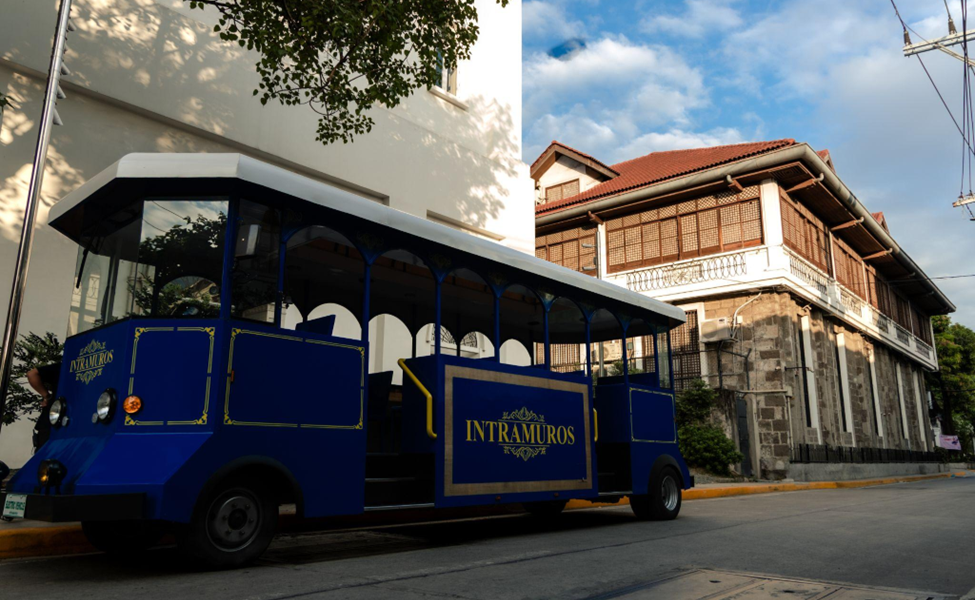
Ever wonder what it would be like to blend deep historical roots with cutting-edge electric vehicle technology? Manila is showing us exactly how it’s done, and it’s a fascinating case study for EV enthusiasts everywhere. The historic walled city of Intramuros, a place steeped in centuries of Philippine history, is now home to a brand-new, locally engineered electric ‘tram’ that’s more than just a ride – it’s a statement.
For those unfamiliar, Intramuros was once crisscrossed by ‘tranvias’ – streetcars that first appeared in the late Spanish era, around 1886. These early systems evolved into an American-era electric tram network, a vital part of the city’s infrastructure. Sadly, much of this heritage was lost during World War II, leaving a void that has now, in a truly modern way, begun to be filled.
This isn’t just about nostalgia, though that’s certainly a compelling element. What’s truly exciting from an EV perspective is that this new ‘tram’ is entirely electric and, crucially, locally engineered. This highlights a growing trend we’re seeing globally: countries and cities taking charge of their own EV development, tailoring solutions to their specific needs and environments.
Think about the implications: less reliance on imported technology, more localized job creation, and the ability to design vehicles that perfectly fit the unique challenges of urban landscapes like Manila’s. This bespoke approach often leads to more robust, efficient, and maintainable systems in the long run.
For the GoEVDaily reader, this signals a broader shift. While we often focus on passenger cars and SUVs, the electrification of public transport, especially in historical or high-density areas, is a massive part of the EV revolution. These projects reduce air pollution where people live and breathe most, offering a quieter, cleaner experience for both residents and tourists.
The return of an electric transport system to Intramuros also serves as a powerful symbol. It demonstrates that embracing electric mobility doesn’t mean abandoning the past; rather, it can enhance and preserve it. Imagine exploring ancient fortifications and colonial architecture without the din and fumes of internal combustion engines – it elevates the entire experience.
Furthermore, this initiative could inspire other cities with rich histories and similar transport challenges. If Manila can bring back an electric ‘tram’ system in such a historically sensitive area, what’s stopping other metropolitan centers from doing the same? It’s a blueprint for sustainable urban development that respects heritage while charging into the future.
This locally-sourced approach also means a deeper understanding of maintenance and operational needs within the local context. Parts availability, training for technicians, and even climate-specific engineering can all be optimized when the design and manufacturing stay closer to home.
Bottom Line
Manila’s electric ‘tram’ in Intramuros isn’t just a quirky local story; it’s a powerful example of how EV technology can be a catalyst for urban renewal, heritage preservation, and localized innovation. It underscores the versatility of electric propulsion and its potential to transform even the most historic corners of our world into cleaner, quieter, and more sustainable spaces. Keep an eye on projects like these – they’re paving the way for a truly electric future, one historic ride at a time.
This article is based on reporting from CleanTechnica. Analysis and commentary are original to GoEVDaily.