We’ve all been there: the range anxiety, the hunt for a reliable charger, the debate over standards. As the EV revolution picks up speed, the infrastructure supporting it is becoming just as critical as the vehicles themselves. Recently, two titans of the electric world, BYD and Tesla, unveiled strategies that couldn’t be more different, offering a fascinating glimpse into the future of EV charging and what it means for you, the driver.
Tesla, long the pioneer of proprietary charging, has been making headlines by opening up its Supercharger network to other brands. This move, initially seen as a concession, is strategically brilliant. By leveraging its established, highly reliable network, Tesla aims to become the backbone of North American DC fast charging, even for non-Tesla vehicles. This isn’t just about altruism; it’s about monetizing a massive asset and solidifying its market position as the go-to charging solution, regardless of your car’s badge.
For you, the North American EV buyer, this is largely good news. More chargers are always better. While the NACS (North American Charging Standard) adoption is still in progress, Tesla’s network offers a mature, widespread solution. The implication is a potential simplification of the charging landscape, reducing the need for multiple apps and adapters down the line, especially as more manufacturers switch to NACS.
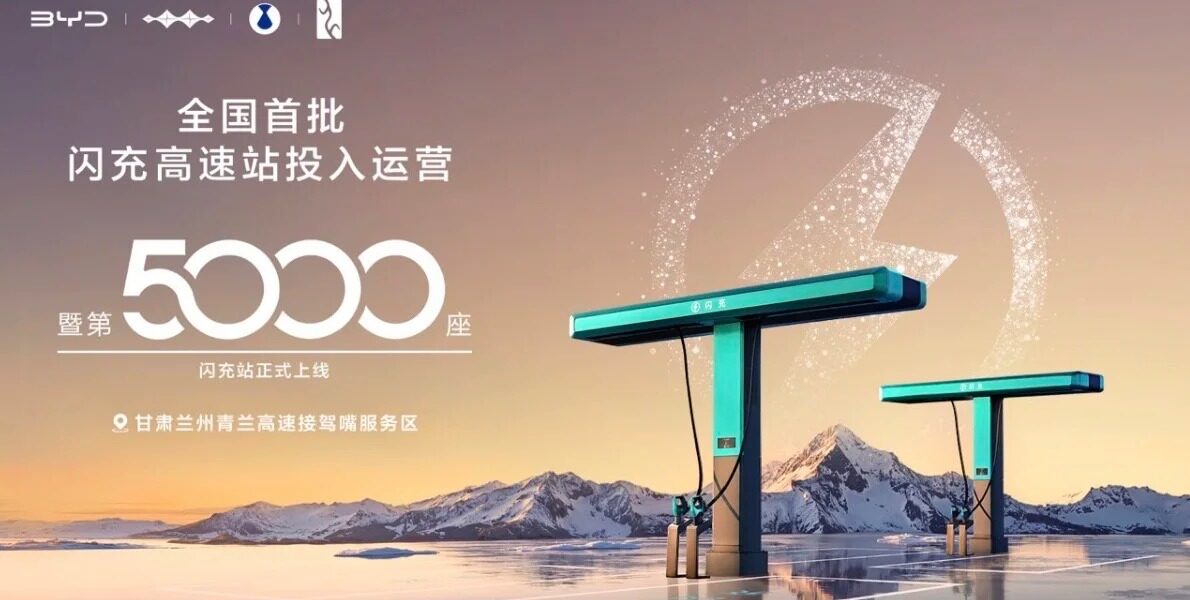
BYD, on the other hand, is taking a vastly different approach, particularly in markets outside of its home turf. Instead of building out its own brand-specific network, BYD is actively partnering with existing charging providers globally. Their recent announcements, alongside impressive sales figures, highlight a strategy of collaboration and integration rather than independent expansion.
Consider their move into South America, for instance. BYD isn’t just selling cars; they’re actively working with local energy companies and charging network operators to ensure their vehicles have places to plug in. This strategy recognizes the unique infrastructure challenges and regulatory landscapes of diverse international markets. It’s a pragmatic, market-specific approach that leverages local expertise.
What does this mean for consumers in these markets? It suggests a faster, more localized build-out of charging infrastructure. By supporting and integrating with existing networks, BYD is helping to accelerate the overall EV transition, rather than creating a fragmented, BYD-only ecosystem. This approach could lead to quicker charger deployment and better regional coverage, as it avoids the lengthy process of starting from scratch.
The contrast is stark: Tesla, with its dominant North American Supercharger network, is opening doors, aiming to be the universal charging solution. BYD, a global powerhouse, is weaving itself into the existing fabric of charging infrastructure worldwide, adapting to local conditions. Both strategies are valid, but they reflect different market dynamics and business philosophies.
For the average EV driver, these divergent paths highlight the evolving nature of charging. In North America, expect Tesla’s influence to grow, simplifying your charging experience. In other parts of the world, particularly emerging EV markets, BYD’s collaborative strategy promises a more integrated, locally-driven infrastructure build-out.
Bottom Line: Tesla is consolidating its charging dominance in North America by opening its network, offering a potentially more streamlined experience for all EV owners. BYD is fostering global EV adoption by partnering with existing charging providers, accelerating infrastructure development tailored to diverse international markets. Both approaches ultimately benefit EV buyers by expanding charging access, just in different ways.
This article is based on reporting from CleanTechnica. Analysis and commentary are original to GoEVDaily.