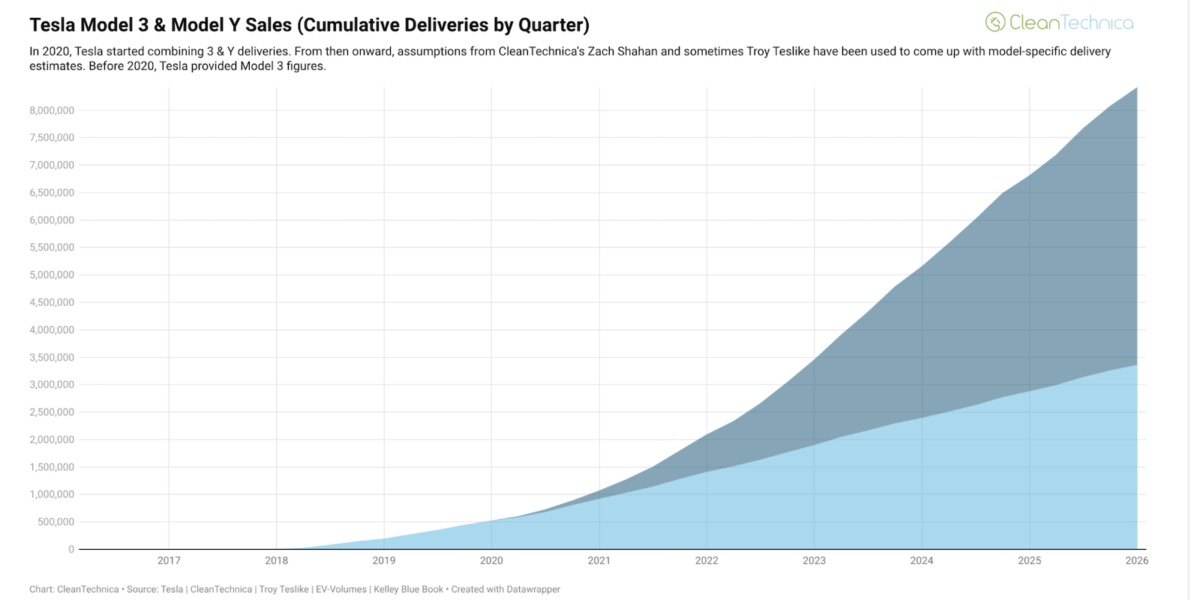
Alright, fellow EV enthusiasts, let’s talk numbers. The latest buzz from the automotive world confirms what many have suspected: Tesla has once again edged out BYD to become the world’s leading battery electric vehicle (BEV) seller in the first quarter of 2026. This isn’t just a win for Elon Musk; it’s a fascinating look at the evolving landscape of the global EV market.
For a while now, we’ve seen headlines suggesting Tesla’s sales growth has slowed, perhaps even stagnated in some quarters. And while it’s true that the meteoric rise of its early years has naturally leveled off, hitting over 9 million cumulative vehicle sales is a monumental achievement. It underscores the sheer volume and impact Tesla has had in mainstreaming electric transportation.
The rivalry with BYD has been particularly intense. The Chinese automaker made significant inroads, particularly within its home market, and even surpassed Tesla in global BEV sales for a period. This back-and-forth isn’t just a corporate horse race; it reflects a healthy, competitive market where innovation and consumer choice are ultimately the winners.
So, why did Tesla reclaim the top spot? While we don’t have all the granular data yet, several factors likely played a role. Strategic pricing adjustments, particularly in key markets, could have spurred demand. Updates to existing models, or even the anticipation of new ones, often drive sales spikes.
It also highlights the global reach and brand recognition Tesla still commands. Despite increased competition from legacy automakers and a growing field of EV startups, the Tesla badge continues to resonate with a broad swathe of consumers looking for a pure electric experience. This brand loyalty is a powerful asset.
For you, the prospective EV buyer, this sales leadership isn’t just trivia. It often translates to greater investment in charging infrastructure, more widespread service networks, and a larger aftermarket for parts and accessories. A dominant player often sets industry trends, influencing everything from battery tech to software features.
The competition, however, remains fierce. BYD isn’t going anywhere, and other manufacturers are rapidly scaling up their EV production and offerings. This dynamic environment means consumers will continue to benefit from diverse choices, innovative features, and increasingly competitive pricing across the board.
This isn’t about one company winning forever; it’s about the entire EV industry’s relentless march forward. Tesla’s ability to adapt and recapture the top sales position demonstrates its resilience and continued influence. But the pressure is on for every automaker to keep pushing boundaries.
The takeaway here is that the EV market is anything but settled. Expect more shifts, more innovation, and more exciting options as these automotive giants continue to battle for market share. And that, my friends, is great news for anyone considering making the switch to electric.
Bottom Line: Tesla’s return to the top of the BEV sales charts in Q1 2026 reaffirms its market power and highlights the intense, beneficial competition driving the global EV industry forward, offering more choices and innovations for buyers.
This article is based on reporting from CleanTechnica. Analysis and commentary are original to GoEVDaily.