Alright, GoEVDaily readers, let’s talk about energy, specifically the kind that powers your future electric vehicles. You might think an island paradise like Oʻahu, Hawaii, is already a beacon of sustainability. While they’re making strides, the reality is a significant portion of their electricity still comes from imported fossil fuels. And here’s where a familiar, yet ultimately misguided, solution often rears its head: Liquefied Natural Gas, or LNG.
The debate over LNG on Oʻahu is a classic example of a seemingly practical answer to a complex problem. On the surface, swapping out one imported fossil fuel (oil) for another (LNG) might sound like a reasonable ‘bridge’ to a cleaner future. Proponents often highlight LNG’s ‘dispatchability’ – the ability to ramp up or down quickly – and its slightly lower carbon emissions compared to traditional oil.
But as EV drivers and enthusiasts, we know better than to settle for ‘slightly cleaner.’ The very essence of the EV revolution is a fundamental shift away from fossil fuels, not just a rebranding. Investing in new LNG infrastructure, which is both expensive and long-lived, would lock Oʻahu into decades more of fossil fuel dependence. This isn’t a bridge; it’s a detour down a dead-end road.
For us, this isn’t just an abstract energy policy debate. The source of electricity directly impacts the environmental footprint of our EVs. If your ‘zero-emission’ EV is charging from a grid powered by fossil fuels, its true lifecycle emissions are higher. Oʻahu’s decision on LNG directly influences the sustainability narrative of every EV sold on the island.
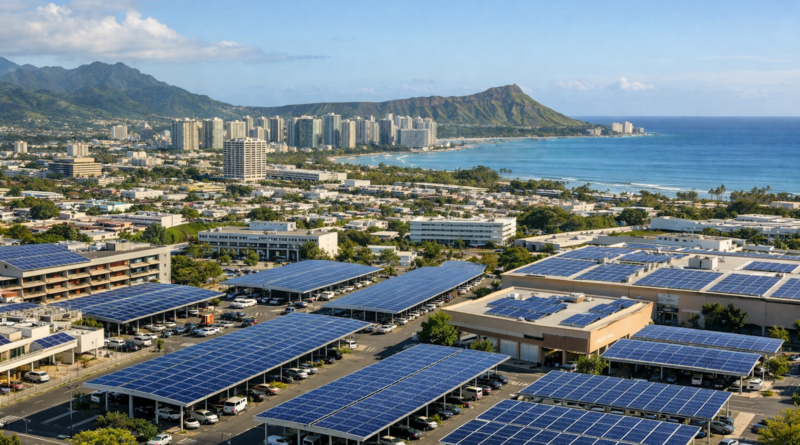
The exciting news is that Oʻahu has a much more compelling path forward: abundant renewable energy. Solar, wind, and geothermal resources are plentiful. The real challenge, and the real opportunity, lies in building out the infrastructure for these renewables, coupled with advanced battery storage solutions. This creates a truly clean, resilient, and eventually, cheaper grid.
The argument for LNG often hinges on ‘reliability’ – the idea that renewables aren’t always available. However, modern grid management, coupled with utility-scale battery storage, is rapidly making this argument obsolete. We’re seeing projects worldwide demonstrating that grids can be powered almost entirely by renewables, maintaining stability and meeting demand.
Think about it from an economic perspective too. The price of imported LNG is subject to global market volatility, just like oil. Investing in indigenous renewable energy sources, once the initial infrastructure is built, provides a more stable and predictable cost structure. This translates to more stable electricity rates for consumers, including those charging their EVs.
The math, when you look past the immediate perceived convenience of LNG, simply doesn’t add up for a truly clean energy future. Oʻahu has the potential to be a global leader in renewable energy integration, powering its homes, businesses, and a rapidly growing fleet of EVs with sunshine and wind.
Bottom Line: For Oʻahu, and for anyone serious about a genuinely clean energy transition, LNG is a distraction. The focus needs to be squarely on accelerating renewable energy deployment and robust storage solutions to power an increasingly electrified future, including all our EVs. It’s not just about what we drive, but how that drive is powered.
This article is based on reporting from CleanTechnica. Analysis and commentary are original to GoEVDaily.