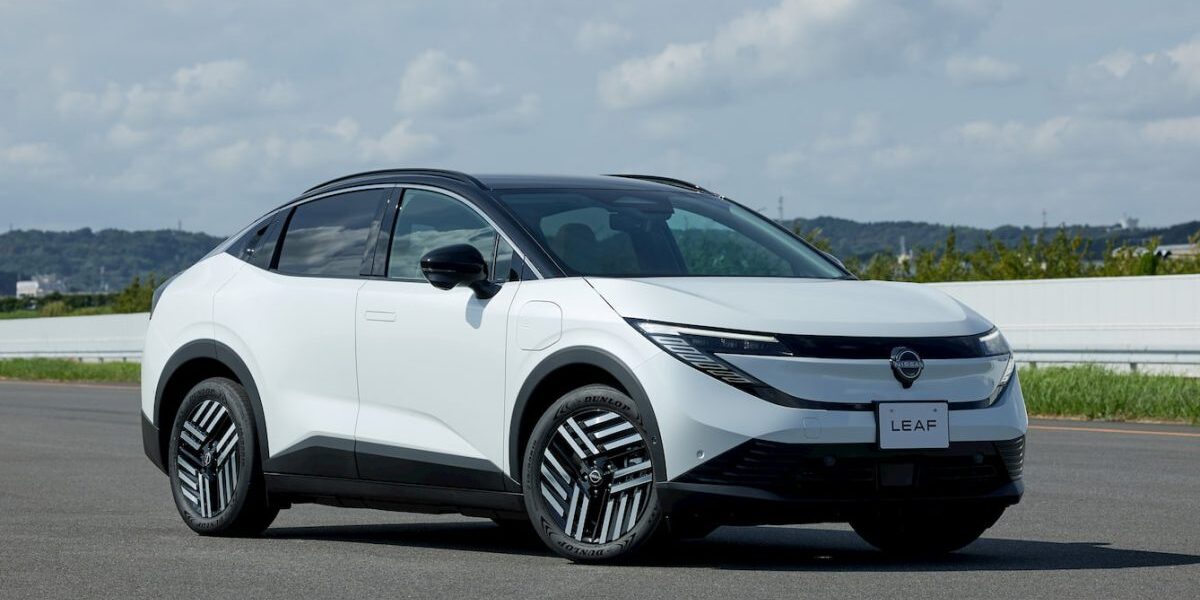
Alright, fellow EV enthusiasts, let’s talk about a development out of Japan that’s making some waves in the electric vehicle community. Nissan, a brand that practically pioneered the mainstream EV with the original LEAF, is facing a recall for a batch of its newer LEAF models in its home market. The culprit? A battery defect. Now, before anyone hits the panic button, let’s unpack what this really means.
For Nissan, the LEAF isn’t just another car; it’s a foundational pillar of their renewed strategy, especially as they pivot hard into electrification. The LEAF has always represented accessibility and reliability in the EV space. So, any hiccup, especially one related to the battery, naturally draws attention.
The details emerging suggest a specific batch of vehicles is affected by this battery issue. While the exact nature of the defect hasn’t been widely disclosed, the fact that Nissan is proactively addressing it is crucial. Recalls are never ideal, but how an automaker handles them speaks volumes about their commitment to safety and customer satisfaction.
Now, let’s put this in perspective for us, the EV buyers and advocates. Is this a sign of widespread battery issues in all EVs? Absolutely not. Battery technology is incredibly complex, and like any cutting-edge manufacturing process, anomalies can occur. What’s important is the industry’s ability to identify and rectify these issues swiftly.
This incident underscores a vital point: the importance of robust quality control and rigorous testing in EV manufacturing. As more traditional automakers accelerate their EV transitions, the pressure to scale production quickly is immense. Maintaining impeccable quality throughout that expansion is paramount for consumer confidence.
For those considering a LEAF, or any EV for that matter, this news shouldn’t be a deterrent but rather an affirmation of the recall system working as intended. Automakers are legally and ethically bound to address defects. It’s a testament to the stringent safety standards in place, not a flaw in the entire EV concept.
We’ve seen similar recalls across the automotive industry, both ICE and EV, for various components. Batteries, being the heart of an EV, naturally garner more scrutiny. However, the overall reliability and safety record of modern EV batteries remain incredibly strong.
Nissan’s quick action here is key. It helps maintain the trust they’ve built over more than a decade with the LEAF. Transparency and efficiency in managing recalls are just as important as the initial quality of the product.
So, while it’s a temporary setback for Nissan’s revitalized LEAF, it’s also a valuable reminder that even pioneers encounter bumps in the road. The crucial thing is how they navigate them, and so far, Nissan appears to be doing so responsibly.
Bottom Line: A recall for a specific battery defect in some new Nissan LEAFs in Japan is a reminder that even advanced tech can have issues. It’s a testament to safety systems working, not a broad indictment of EV batteries. Nissan’s response will be key to maintaining consumer trust as the LEAF continues its journey.
This article is based on reporting from Electrek. Analysis and commentary are original to GoEVDaily.