When we talk about the electric vehicle revolution, our minds often jump to sleek sedans, family SUVs, or perhaps even the burgeoning electric pickup truck market. But there’s a quiet, powerful transformation happening behind the scenes, one that directly impacts everything from the package on your doorstep to the air quality in industrial zones. And a recent move by GLS Canada is shining a spotlight on it.
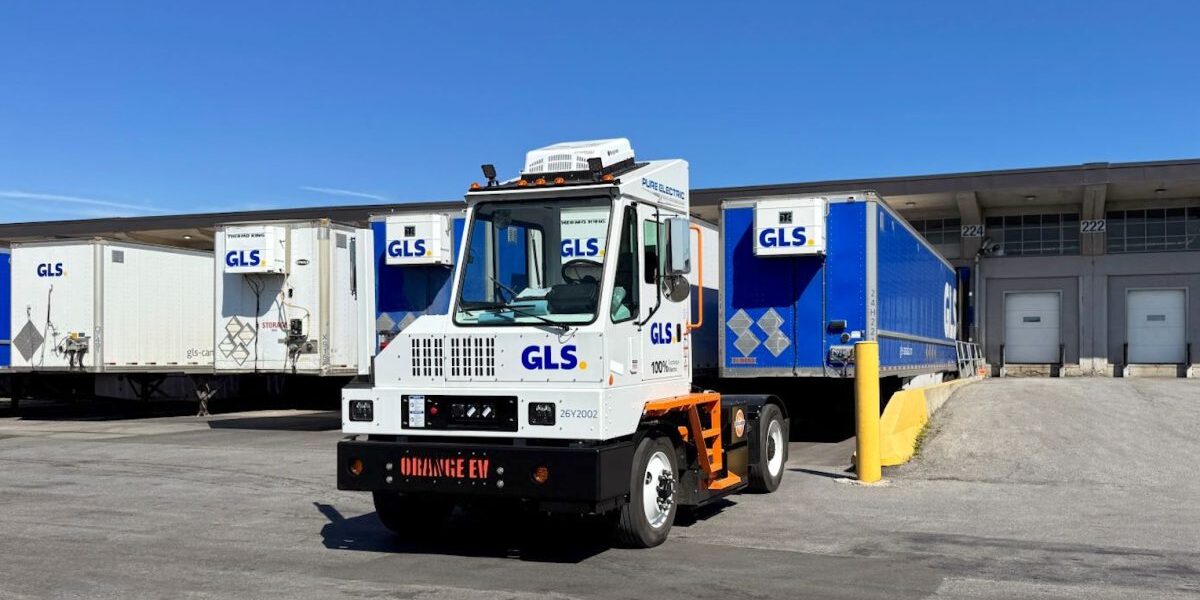
GLS, a major player in Canadian parcel and freight delivery, has started deploying heavy-duty electric yard hostlers, specifically from Orange EV, at its logistics terminals. Think of these as the workhorses that shuffle trailers around massive distribution centers. While not as glamorous as a Lucid Air, their electrification is arguably just as, if not more, impactful in the grand scheme of things.
So, why does this matter to the average GoEVDaily reader? Because these are the unsung heroes of the supply chain. Every time you order something online, it likely spends time being moved by one of these machines. Traditionally, they’ve been diesel-powered, spewing emissions and creating significant noise pollution in densely populated industrial areas.
Orange EV’s electric terminal tractors change that equation entirely. They operate silently, eliminating the constant rumble and roar of a diesel engine. More importantly, they produce zero tailpipe emissions. For a company like GLS, operating numerous terminals, this translates into a substantial reduction in localized air pollution, improving conditions for their employees and nearby communities.
Beyond the environmental benefits, there’s a strong business case. Electric powertrains typically require less maintenance than their internal combustion counterparts. Fewer moving parts mean fewer breakdowns and lower servicing costs. Plus, electricity can often be cheaper and more stable in price than diesel fuel, offering significant operational savings over the lifespan of the vehicle.
This isn’t just a Canadian trend. We’re seeing similar shifts globally. Companies are realizing that electrifying their fleets, even the heavy-duty, short-haul vehicles like yard hostlers, makes economic sense alongside their sustainability goals. It’s a testament to the maturation of battery technology and electric drivetrain robustness.
For consumers, this move by GLS Canada is a positive ripple effect. It means the journey of your package is becoming incrementally cleaner. It’s also a strong indicator that the EV transition isn’t just for personal vehicles; it’s a comprehensive industrial shift that will touch every aspect of our lives.
The deployment of these electric yard tractors demonstrates a commitment to innovation and environmental stewardship from a major logistics provider. It sets a precedent for other freight carriers in Canada and beyond, proving that heavy-duty electrification is not just a pipe dream, but a practical, beneficial reality.
Bottom Line: The electrification of heavy-duty yard tractors by companies like GLS Canada is a crucial, often overlooked, step in the global EV transition. It brings significant environmental and economic benefits, proving that the future of logistics is quiet, clean, and electric, ultimately making the entire supply chain greener for everyone.
This article is based on reporting from Electrek. Analysis and commentary are original to GoEVDaily.