Aston Martin Valhalla’s Reverse Gear Secret: What This Hybrid Trick Means for Future EVs
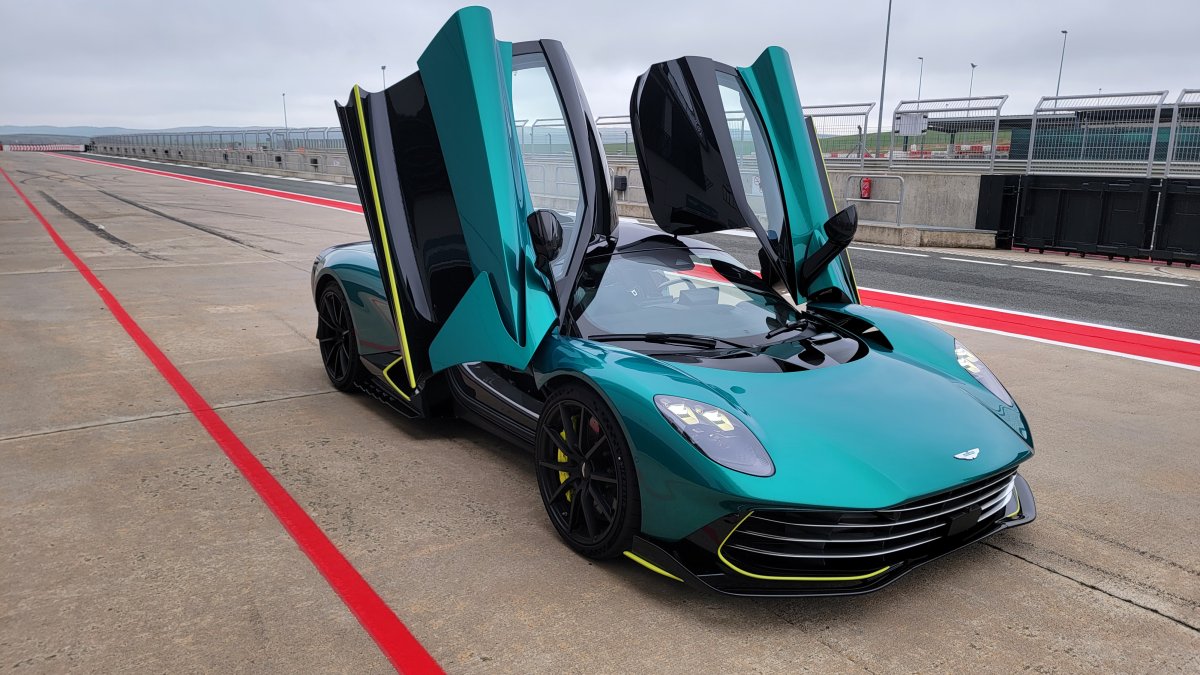
Alright GoEVDaily readers, let’s talk about something that sounds like a party trick but is actually a glimpse into the future of electric powertrains: the Aston Martin Valhalla, and its curious lack of a traditional reverse gear. Yes, you read that right. One of the most anticipated hybrid hypercars on the planet doesn’t bother with a gear dedicated to going backward. And honestly, it makes perfect sense.
For decades, internal combustion engine (ICE) cars have relied on complex gearboxes with a dedicated reverse gear, often integrated into the main transmission. It’s a mechanical necessity, adding weight, complexity, and a touch of inefficiency. But the Valhalla, like many modern hybrids and pure EVs, is leveraging the unique capabilities of electric motors to ditch this old-school approach.
The secret lies in the Valhalla’s hybrid architecture. It has electric motors, likely on the front axle, that can spin in both directions. To reverse, the car simply engages these electric motors, spinning them in the opposite direction. No need for a separate gear, no extra cogs, no added mechanical bulk. It’s pure, elegant, electrically-driven simplicity.
This isn’t just an Aston Martin quirk; it’s a growing trend. Many pure battery electric vehicles (BEVs) operate on this principle. Think about it: an electric motor inherently doesn’t care which way it spins, as long as it gets power. The direction of rotation is simply controlled by the polarity of the current. This makes reverse a software command, not a mechanical engagement.
So, why does this matter to you, the discerning EV buyer or enthusiast? Because it highlights a fundamental advantage of electrification. By integrating electric motors, manufacturers can simplify drivetrains, reduce moving parts, and shave off crucial weight. Less weight means better efficiency, improved handling, and potentially more range.
This design philosophy extends beyond just reverse gear. It opens the door to more sophisticated torque vectoring, all-wheel drive systems that are purely electric, and even ‘e-axles’ that combine the motor, inverter, and reduction gear into a single, compact unit. These innovations directly contribute to the smoother, quieter, and often more responsive driving experience we associate with EVs.
Moreover, the Valhalla’s approach underscores how hybrids, even high-performance ones, are bridging the gap between traditional ICE and pure EV technology. They’re adopting EV-specific solutions where they make sense, paving the way for wider acceptance and understanding of these benefits.
As battery technology improves and electric motors become even more powerful and compact, we’ll see more and more conventional mechanical components rendered obsolete. The Valhalla’s reverse gear trick is just one example of how ‘electrified’ doesn’t just mean adding a battery; it means fundamentally rethinking automotive engineering.
Bottom Line: The Aston Martin Valhalla’s reverse gear, or lack thereof, is a brilliant demonstration of electric motor versatility. It’s a lightweight, efficient solution that hints at the simplified, smarter drivetrains becoming standard in future EVs, proving that sometimes, less truly is more.
This article is based on reporting from The Drive. Analysis and commentary are original to GoEVDaily.
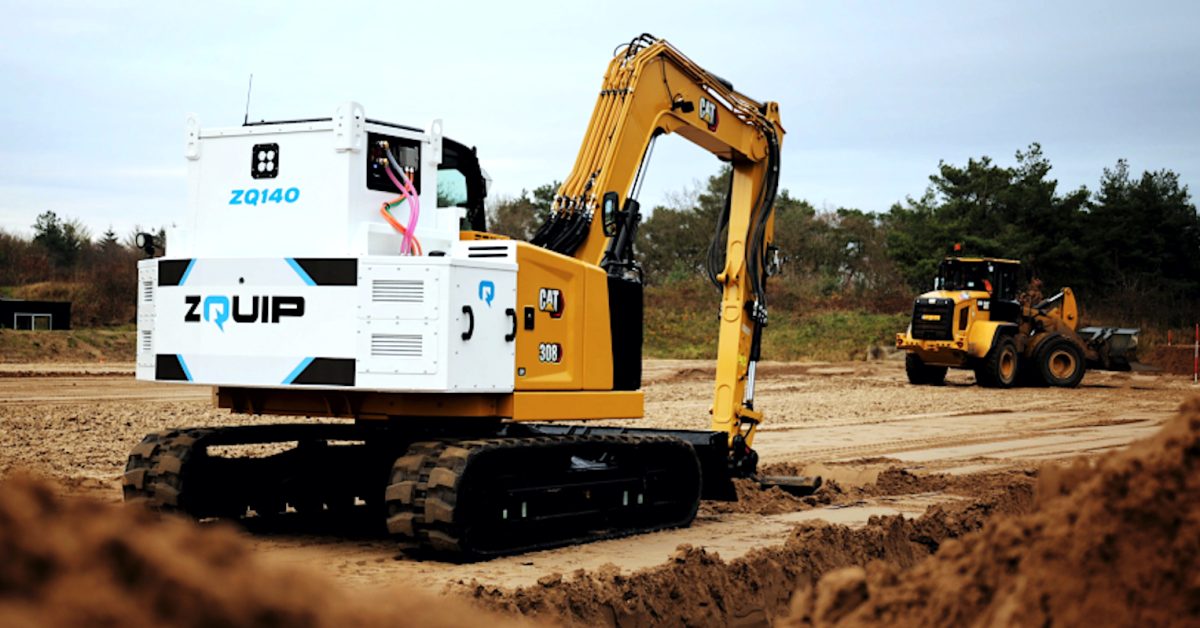
The Hybrid Solution You Didn’t Know You Needed: MOOG’s Fuel-Agnostic Tech Reshaping Fleet Electrification
MOOG’s new tech allows heavy machinery to run on diesel, CNG, or battery power. This multi-fuel approach offers fleets a low-risk path to decarbonization.
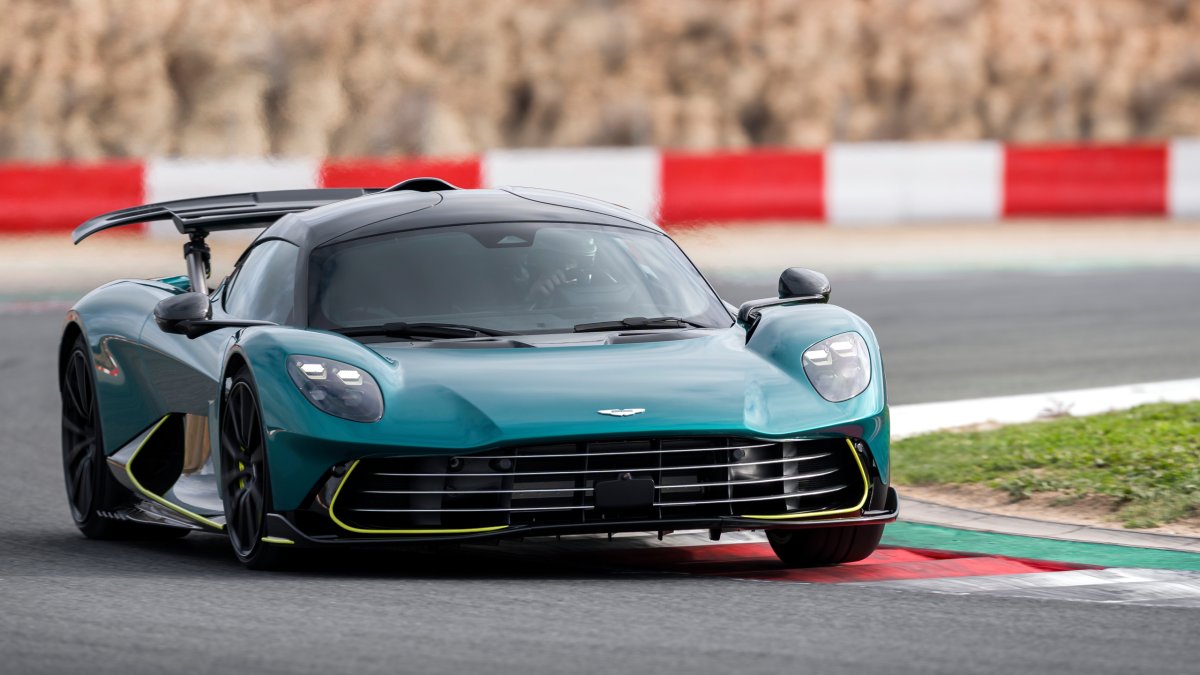
Aston Martin Valhalla: A Hybrid Hypercar Roaring Towards an Electric Future
Aston Martin’s Valhalla is a plug-in hybrid hypercar offering a glimpse into high-performance electrification. See why this ‘pavement monster’ matters for the future of EVs.
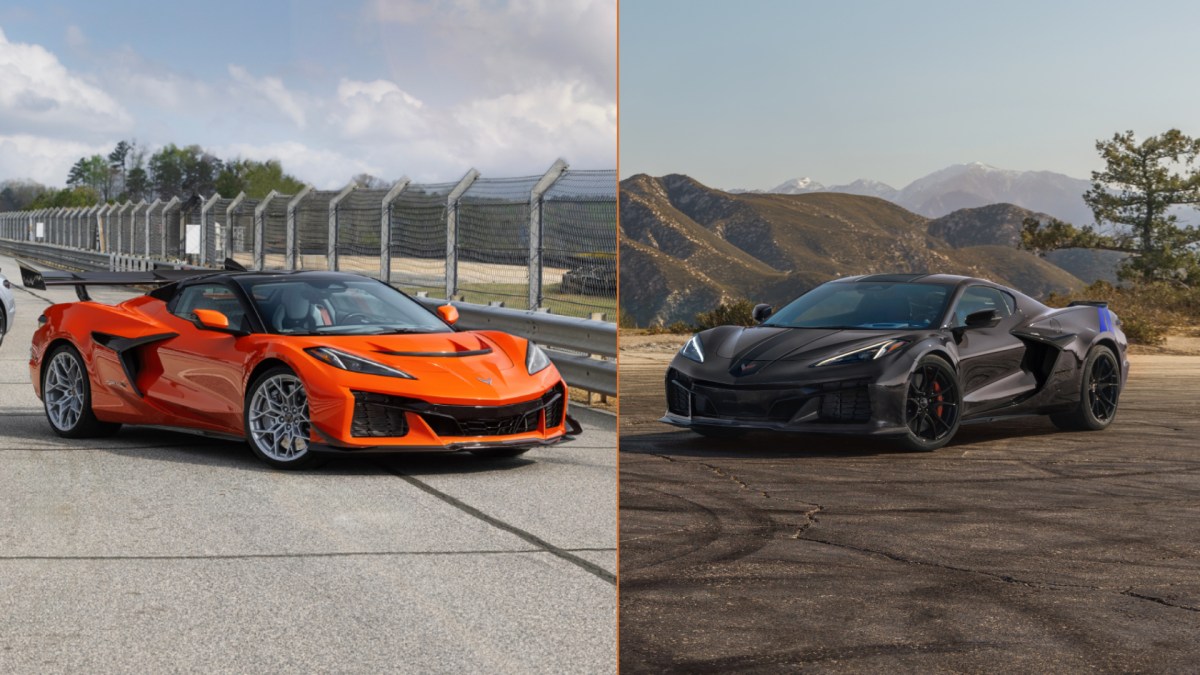
The Electrified Blueprint: How the Corvette E-Ray Paved the Way for Chevy’s AWD Supercars
The Corvette E-Ray’s hybrid AWD system is the unsung hero, paving the way for Chevy’s future high-performance, all-wheel-drive supercars and validating electric powertrain capabilities.