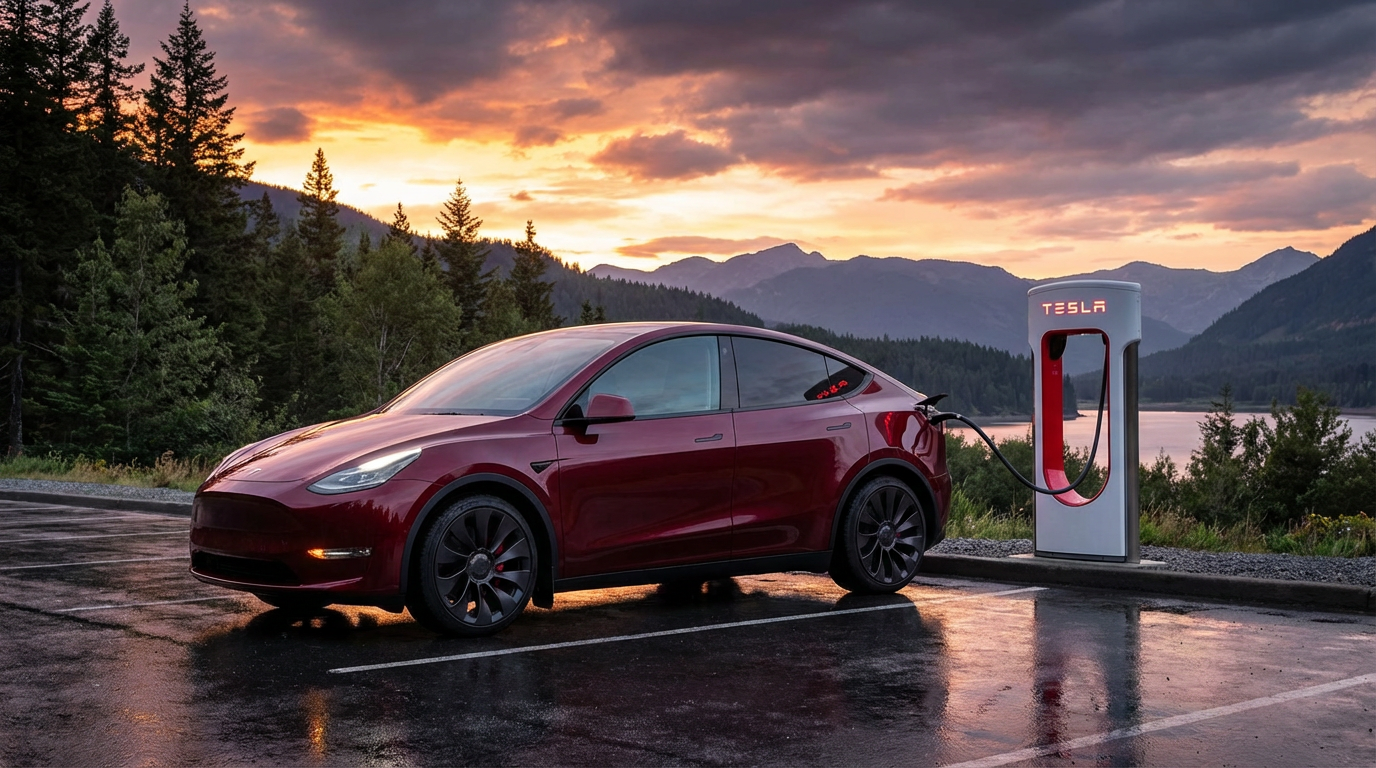
EV Incentives Shift: Navigating Savings Beyond Federal Purchase Credits in 2026
EV Incentives Shift: Navigating Savings Beyond Federal Purchase Credits in 2026
For years, federal tax credits served as a cornerstone of the electric vehicle (EV) revolution, offering significant financial incentives to accelerate adoption. However, as of April 2026, the landscape has fundamentally shifted. The once robust federal tax credits for new and used EV purchases, primarily through the IRS Clean Vehicle Credit, have officially expired. This development marks a pivotal moment for consumers and the industry alike, prompting a re-evaluation of how to make EV ownership more accessible and affordable.
The End of an Era: Federal Purchase Credits Expire
The expiration of the federal tax credits for EV purchases means that the direct point-of-sale discounts or post-purchase tax credits that many consumers relied upon are no longer in effect. This change impacts both new and pre-owned electric vehicles, removing a powerful, uniform incentive that helped bridge the cost gap between EVs and traditional internal combustion engine (ICE) vehicles. While this news may be disappointing for some, it doesn't signify the end of EV affordability. Instead, it underscores the importance of exploring a broader array of incentives that continue to thrive at different levels.
State and Local Incentives: The New Frontline for Savings
With the federal purchase credits off the table, state and local programs have emerged as the primary source of direct financial incentives for EV buyers. These programs vary widely by region, offering a diverse palette of savings opportunities that can be just as impactful, if not more so, than the former federal credits. Prospective EV owners are strongly encouraged to research what is available in their specific state, county, and even city.
- Direct Rebates: Many states offer direct rebates that can be applied at the time of purchase or lease, immediately reducing the upfront cost of an EV. These can range from hundreds to several thousands of dollars, often with specific vehicle or income eligibility requirements.
- Tax Credits: Similar to the former federal model, some states provide their own tax credits that can be claimed when filing state income taxes.
- Reduced Registration Fees: To promote EV adoption, some jurisdictions offer lower annual registration fees for electric vehicles, leading to long-term savings.
- High-Occupancy Vehicle (HOV) Lane Access: Beyond monetary incentives, many states grant single-occupant EVs access to HOV lanes, offering significant time savings during commutes.
- Utility Company Programs: Don't overlook your local electric utility! Many offer rebates for EV purchases, home charger installations, or discounted charging rates during off-peak hours.
The key here is diligent research. Websites of state energy offices, environmental protection agencies, and EV advocacy groups are excellent starting points for uncovering these localized opportunities.
Unlocking Savings Through Leasing: The Commercial Clean Vehicle Credit
While direct federal purchase credits for individual buyers have expired, a significant loophole—or rather, a strategic advantage—remains available through leasing. The federal Commercial Clean Vehicle Credit (Section 45W) is still active and applies to new clean vehicles acquired for commercial use. When you lease an EV from a dealership, the dealership (as the lessor) is considered the commercial entity purchasing the vehicle. They are eligible for this federal credit, which can then be passed on to the lessee (you) in the form of a lower monthly lease payment or a reduced upfront cost.
This mechanism allows consumers to effectively bypass the expiration of the individual purchase credit and still benefit from federal incentives. It's crucial to discuss this option with your dealership and confirm that they are passing on the Section 45W credit to you through the lease agreement. This strategy has become an increasingly popular and financially savvy way to acquire a new EV in the post-federal purchase credit era.
Federal Credit for Charging Equipment: Powering Your Home EV
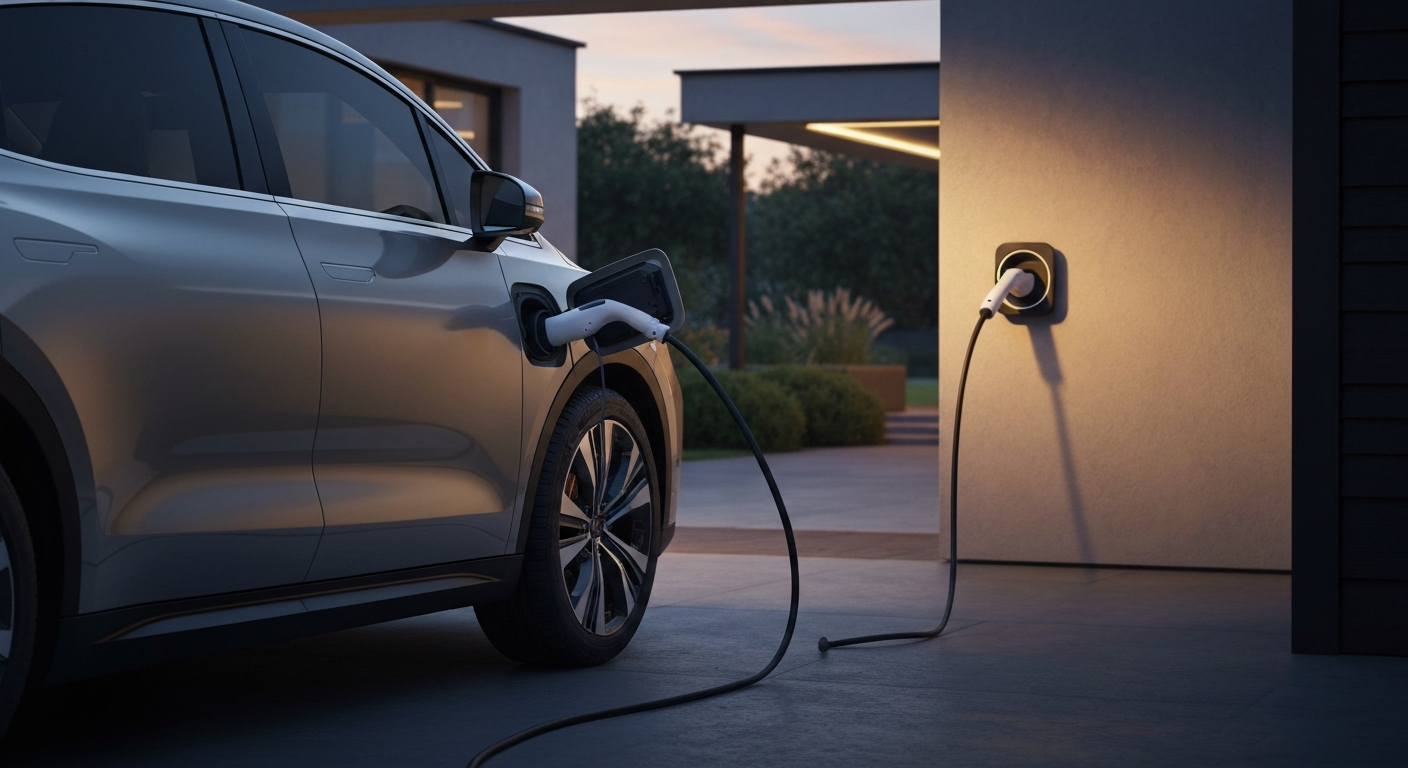
Good news for those looking to install a home charging solution: the federal tax credit for qualified alternative fuel vehicle refueling property (Section 30C) is still available. This credit offers 30% of the cost of qualified charging equipment and installation expenses, up to a maximum credit of $1,000. This incentive is vital for making home charging more affordable and convenient, a critical component of EV ownership.
To qualify, the charging equipment must be installed in a designated clean fuel vehicle refueling property area, typically your primary residence. This credit covers not only the charger itself but also the associated costs of electrical upgrades and installation by a licensed electrician. It's a straightforward way to save on an essential part of the EV experience.
GoEVDaily's Take: Adapt and Thrive
The EV incentive landscape in April 2026 is undoubtedly different, but it's far from barren. While the prominent federal purchase credits have sunset, a robust ecosystem of state, local, and utility programs, combined with the strategic advantage of leasing and the ongoing federal charging equipment credit, continues to make EV ownership an attractive proposition. As expert automotive journalists at GoEVDaily, we encourage prospective EV buyers to be proactive. Dive into local resources, consult with dealerships about leasing options, and plan for your home charging setup to maximize your savings. The path to an electric future is still paved with opportunities, you just need to know where to look.