OBBBA Reshapes EV Incentives: Federal Direct Credits Expired, States Lead
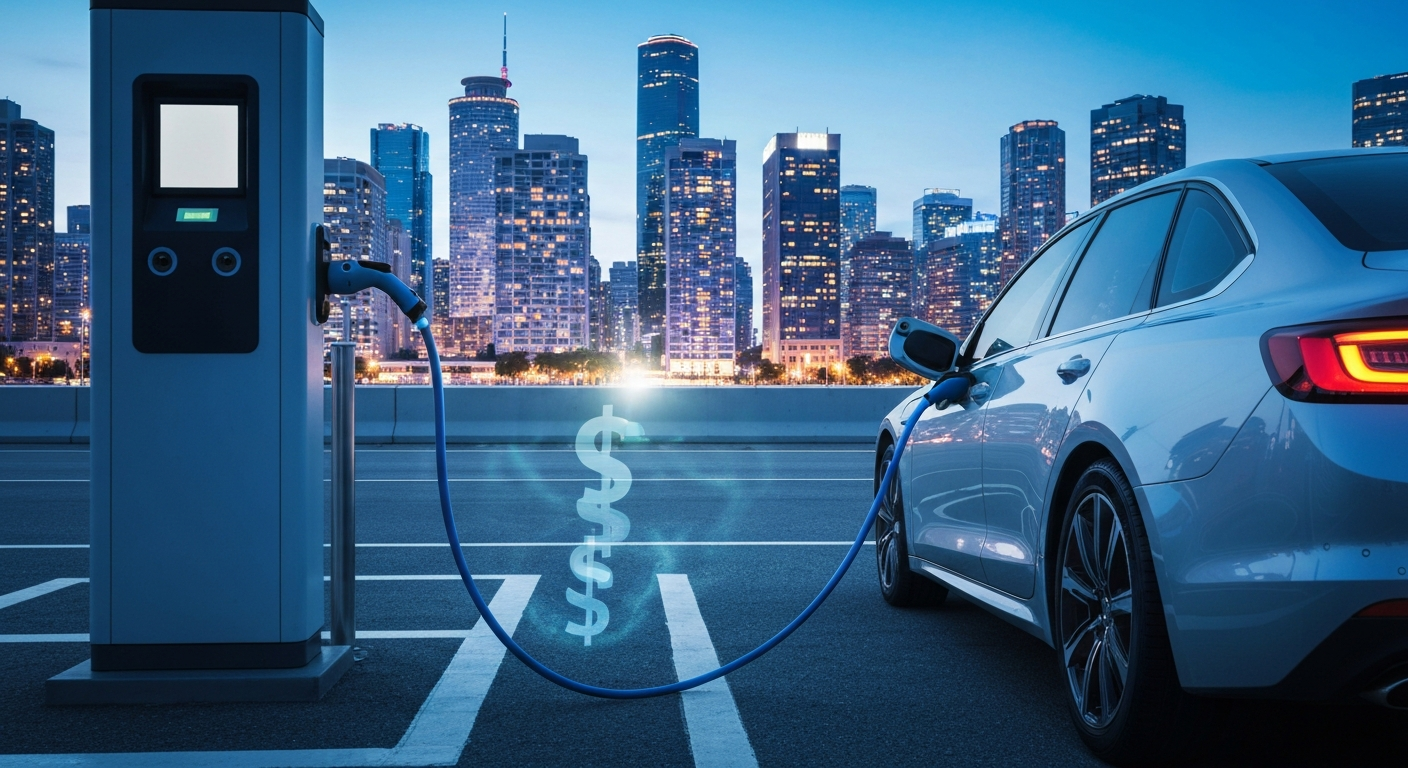
The New Reality: Federal EV Direct Purchase Credits Are Gone
April 2026 marks a pivotal moment in the evolution of electric vehicle adoption, particularly concerning financial incentives for consumers. The much-discussed "One Big Beautiful Bill Act" (OBBBA) has officially come into full effect, ushering in a new era where the federal government's direct purchase tax credits for clean vehicles are largely a thing of the past. For years, these credits, offering up to $7,500 for new EVs and $4,000 for used models, along with incentives for home charging equipment, played a significant role in making EVs more accessible. Now, GoEVDaily is here to break down what this means for you, the prospective EV owner.
What OBBBA Changed
Under OBBBA, the federal clean vehicle tax credits, which provided substantial financial relief at the point of sale or as a tax return credit, have been terminated. This includes:
- The up to $7,500 credit for new electric vehicles.
- The up to $4,000 credit for used electric vehicles.
- The residential clean energy credit for EV home charging equipment, which offered up to 30% (capped at $1,000).
This legislative shift represents a significant move away from direct consumer subsidies at the federal level, redirecting focus towards other areas of sustainable energy transition. While the immediate impact is a reduction in universally available federal savings, it's important to understand that the incentive landscape is not barren. Instead, it has become more localized and nuanced.
The Shift to State and Local Incentives
With the federal direct purchase credits no longer available, the spotlight now shines brightly on state, local, and utility-specific programs. These localized incentives have rapidly expanded and diversified to fill the void, offering a wide array of rebates, tax credits, and other benefits that can still significantly reduce the cost of EV ownership. From direct rebates at the time of purchase or lease to tax exemptions, reduced registration fees, and even incentives for installing charging infrastructure, states and municipalities are stepping up to drive EV adoption within their borders.
It's crucial for any potential EV buyer to research the specific programs available in their state, county, and even city. Many states, recognizing the environmental and economic benefits of EVs, have robust programs in place. These can include income-qualified rebates, specific vehicle type incentives (e.g., for SUVs vs. sedans), or programs tied to renewable energy initiatives.
Understanding the New Landscape: Eligible Vehicles Table (Federal Direct Purchase Credits Expired)
Given the termination of federal direct purchase tax credits by OBBBA, the following table illustrates that direct federal purchase incentives are no longer applicable to new or used EV purchases as of April 2026. Buyers should instead look to state and local programs for potential savings.
| Vehicle | Federal Credit | Income Limit | MSRP Cap | Notes |
|---|---|---|---|---|
| Tesla Model 3 | N/A (Expired) | N/A | N/A | Federal direct purchase credits terminated by OBBBA as of April 2026. |
| Ford F-150 Lightning | N/A (Expired) | N/A | N/A | Federal direct purchase credits terminated by OBBBA as of April 2026. |
| Hyundai IONIQ 5 | N/A (Expired) | N/A | N/A | Federal direct purchase credits terminated by OBBBA as of April 2026. |
| Chevrolet Bolt EUV | N/A (Expired) | N/A | N/A | Federal direct purchase credits terminated by OBBBA as of April 2026. |
Federal vs. State Incentives: Top States Leading the Charge
While direct federal purchase incentives are absent, the federal government continues to support EV infrastructure development and innovation, which indirectly benefits consumers through a more robust charging network and advanced vehicle technology. However, when it comes to direct savings, states are undeniably the frontrunners. Here’s a look at how some leading states are stepping up, alongside the new federal landscape. Remember, these state programs often have their own income limits and vehicle requirements, so always verify current details.
| State | State Rebate | Combined Max Savings | Requirements |
|---|---|---|---|
| California | Up to $7,500 | Up to $7,500 (State) | Income-qualified, MSRP limits, specific vehicle types. Includes regional/utility programs. |
| New York | Up to $2,000 | Up to $2,000 (State) | Drive Clean Rebate, vehicle MSRP under $42,000. |
| Colorado | Up to $5,000 | Up to $5,000 (State) | State tax credit, additional local/utility rebates. |
| Massachusetts | Up to $3,500 | Up to $3,500 (State) | MOR-EV program, MSRP limits, new vehicle purchases. |
| Oregon | Up to $7,500 | Up to $7,500 (State) | Clean Vehicle Rebate Program (CVRP) and Charge Ahead Rebate (income-qualified). |
| New Jersey | Up to $4,000 | Up to $4,000 (State) | Charge Up NJ program, MSRP limits, vehicle range requirements. |
| Vermont | Up to $4,000 | Up to $4,000 (State) | Income-based incentives, additional utility rebates. |
| Washington | Varies | Varies (State) | Sales tax exemption, various utility rebates and local incentives. |
Navigating the Future of EV Savings
While the termination of federal direct purchase credits is a significant change, it doesn't diminish the overall appeal of electric vehicles. EVs continue to offer substantial long-term savings through lower fuel costs, reduced maintenance, and often access to HOV lanes and premium parking. The market is also seeing unprecedented innovation, with new models offering longer ranges, faster charging, and more competitive pricing.
For prospective buyers, the key takeaway is to be proactive and informed. Don't assume. Begin your research with your specific state and local government websites, as well as checking with local utility providers. Many offer attractive incentives for both EV purchases and home charging station installations. Dealerships specializing in EVs are also becoming excellent resources for navigating the complex web of local programs.
The landscape of EV incentives is dynamic and ever-evolving. While OBBBA has closed one chapter, it has simultaneously underscored the growing importance of regional efforts to accelerate the transition to electric mobility. At GoEVDaily, we remain committed to keeping you updated on every opportunity to make your next EV purchase as advantageous as possible.
EV Incentives Shift: Navigating Savings Beyond Federal Purchase Credits in 2026
As of April 2026, the familiar federal tax credits for new and used EV purchases have expired, marking a significant change in the landscape of electric vehicle incentives. While the primary federal purchase incentives are no longer available, prospective EV owners can still find substantial savings through state rebates, strategic leasing options, and a dedicated federal credit for home charging equipment.
THE COMPLETE STATE-BY-STATE GUIDE TO EV PURCHASE TAX INCENTIVES AND LEVEL 2 CHARGER INSTALLATION REBATES IN 2026
State programs, utility rebates, and the remaining federal charger credit now represent the real opportunity. In many cases, smart buyers in 2026 can still reduce total EV ownership costs by $3,000 to $15,000+ by stacking incentives correctly. This guide breaks it all down — state by state — and shows you exactly how to maximize savings.