EV Charging: April 2026's Game-Changing Tech & Top Home Picks
EV Charging: April 2026's Game-Changing Tech & Top Home Picks
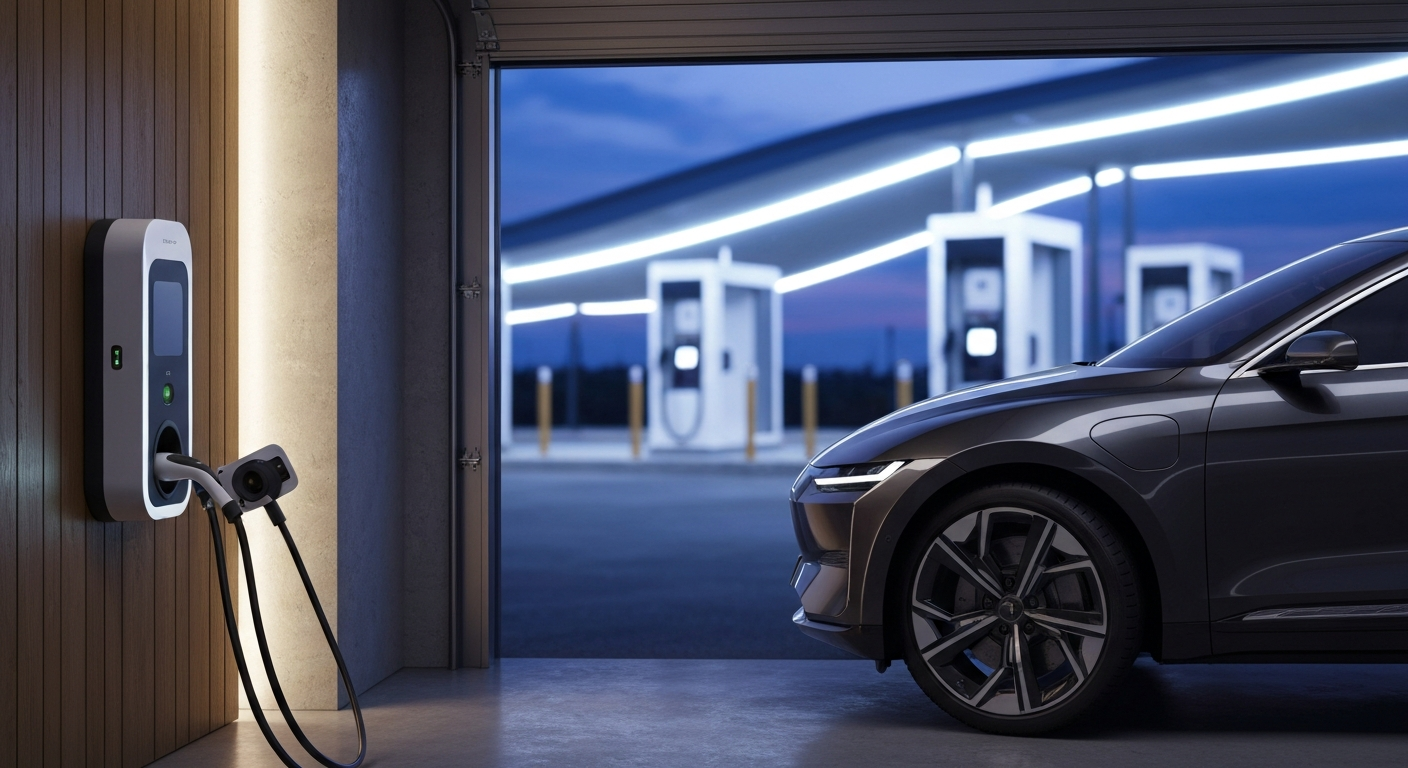
April 2026 marks a pivotal moment in the evolution of electric vehicle charging, showcasing a landscape rapidly transforming with advanced technology, expanded infrastructure, and increasingly intelligent home solutions. For EV owners and prospective buyers, understanding these developments is crucial to maximizing convenience, efficiency, and cost savings. From lightning-fast public stations opening up to more vehicles to sophisticated home setups that integrate seamlessly into daily life, the future of EV refueling is here, and it's smarter than ever.
Public Charging: The Road Ahead for Rapid Refueling
The commitment to building a robust public EV charging network continues unabated, with significant strides made across North America and Europe. Cities and counties are actively investing in cleaner transportation. For instance, the Town of Fort Erie, Canada, has enhanced its public offerings by installing new double-headed EV charging stations at four locations, bringing its total to eight public charging ports. This expansion directly supports local EV adoption and reduces range anxiety. In California, Stanislaus County has taken a forward-thinking approach to fleet electrification, deploying ten Beam Global EV ARC™ off-grid solar EV charging systems. These rapidly deployable, sustainable solutions highlight a growing trend towards resilient and environmentally friendly charging infrastructure.
Perhaps the most exciting development in public charging speed comes from Elektros Inc., which is advancing a patented system designed to drastically reduce EV charging times. With an ambitious goal of cutting typical 45-minute charge sessions down to an estimated 5-7 minutes, Elektros aims to deliver a true "refueling-like" experience. This innovation promises to dramatically improve throughput at charging stations and virtually eliminate wait times, making long-distance EV travel as convenient as gasoline vehicle travel.
The overall public DC fast-charging network in the US continues its robust expansion, boasting nearly 71,400 public DC fast-charging ports as of April 1, 2026. Tesla’s Supercharging network remains a formidable player, with over 50,000 destination chargers nationwide. Significantly, more than two-thirds of its North American Supercharging stalls are now accessible to non-Tesla EVs, a welcome development for the broader EV community. However, Tesla is also charting new territory with private Supercharger stations, including plans for its first Robotaxi-only Supercharger stations in Arizona, featuring 56 V4 Supercharger stalls that will not be publicly available. This move offers a glimpse into the specialized infrastructure supporting future autonomous fleets.
Across the Atlantic, Europe’s Alternative Fuels Infrastructure Regulation (AFIR) is driving crucial standardization. By April 2026, all charging data must use the DATEX II format, and new public chargers are mandated to support ISO 15118 "Plug & Charge" by default, simplifying the payment process. Furthermore, fast chargers must now offer contactless bank card payment options, enhancing user convenience and accessibility.
For US EV buyers, a crucial consideration is the cost of public DC fast charging. Prices currently range from $0.45 to $0.65 per kWh. While convenient, it’s important to note that for some EV models, this can translate to a higher cost per mile than gasoline. Therefore, strategic planning of public charging sessions, coupled with reliance on more affordable home charging, remains a smart approach.
Home Charging: The Smart Hub of EV Life
While public charging grabs headlines for its speed and expansion, the reality for most EV owners is that approximately 80% of all EV charging occurs at home. This preference stems from the unmatched convenience and typically lower cost of charging overnight. The 2026 market for Level 2 home chargers is increasingly defined by intelligence, connectivity, and seamless integration into smart home ecosystems.
Today's advanced home chargers offer more than just power delivery; they provide granular control and valuable insights. Features include:
- Smart Scheduling: Program charging sessions to take advantage of off-peak electricity rates, saving money.
- Remote Monitoring & Control: Manage your charging from anywhere via smartphone apps.
- Energy Management: Track electricity consumption, view charging history, and even integrate with solar panels or home energy management systems.
- Load Balancing: Advanced units can intelligently manage power draw to avoid overloading your home's electrical panel.
For prospective buyers and those looking to upgrade, here are some of the top recommended Level 2 home chargers for 2026:
- ChargePoint Home Flex: A perennial favorite, the Home Flex is praised for its exceptional versatility and robust smart features. It offers adjustable amperage, allowing users to select charging speeds from 16A to a powerful 50A (up to 12 kW), making it adaptable to various home electrical capacities and future EV models. Its user-friendly app provides scheduling, reminders, and comprehensive energy reporting, making it a strong choice for virtually any EV owner seeking advanced control.
- Tesla Wall Connector: Unsurprisingly, this remains the undisputed go-to for Tesla owners. The Wall Connector offers unparalleled integration with Tesla vehicles, a sleek and minimalist design, and legendary reliability. While it can charge other EVs with an adapter, its primary appeal lies in its seamless "plug-and-charge" experience and aesthetic harmony with the Tesla ecosystem. Its ease of installation, particularly for Tesla-specific setups, further cements its appeal.
- Emporia Level 2 EV Charger: Emerging as a strong contender, particularly for the energy-conscious and budget-minded, the Emporia Level 2 stands out for its deep energy management capabilities. It provides real-time data on energy consumption, allowing users to precisely track and optimize their charging costs. When paired with Emporia's Vue energy monitor, it offers holistic home energy insights, making it an excellent choice for those looking to integrate EV charging into a broader home energy strategy and potentially participate in utility demand-response programs.
When installing a home charger, always consult a licensed electrician to ensure your home's electrical panel can support the chosen charger's output and to comply with local codes.
The Future is Electrified and Connected
April 2026 presents an exciting and dynamic charging landscape. From the promise of lightning-fast public charging revolutionizing long-distance travel to intelligent home solutions making daily EV ownership incredibly convenient and cost-effective, the infrastructure supporting electric mobility is maturing rapidly. Prospective EV buyers and enthusiasts have more choices than ever to power their electric journey efficiently, affordably, and sustainably.
Don’t Get Stranded: The Best Portable EV Chargers for Peace of Mind on the Road
Never get stranded again! Discover the best portable EV chargers for road trips and emergencies, including dual-voltage options for ultimate flexibility.
Sparkle & Charge: The EV Owner’s Guide to a Pristine Ride (Inside & Out!)
Keep your EV sparkling inside and out! Discover the best cleaning kits and detailing products for EV owners, from waterless washes to interior protectants.
Rove’s Second Full-Service EV Hub in Costa Mesa: A Game Changer for Charging?
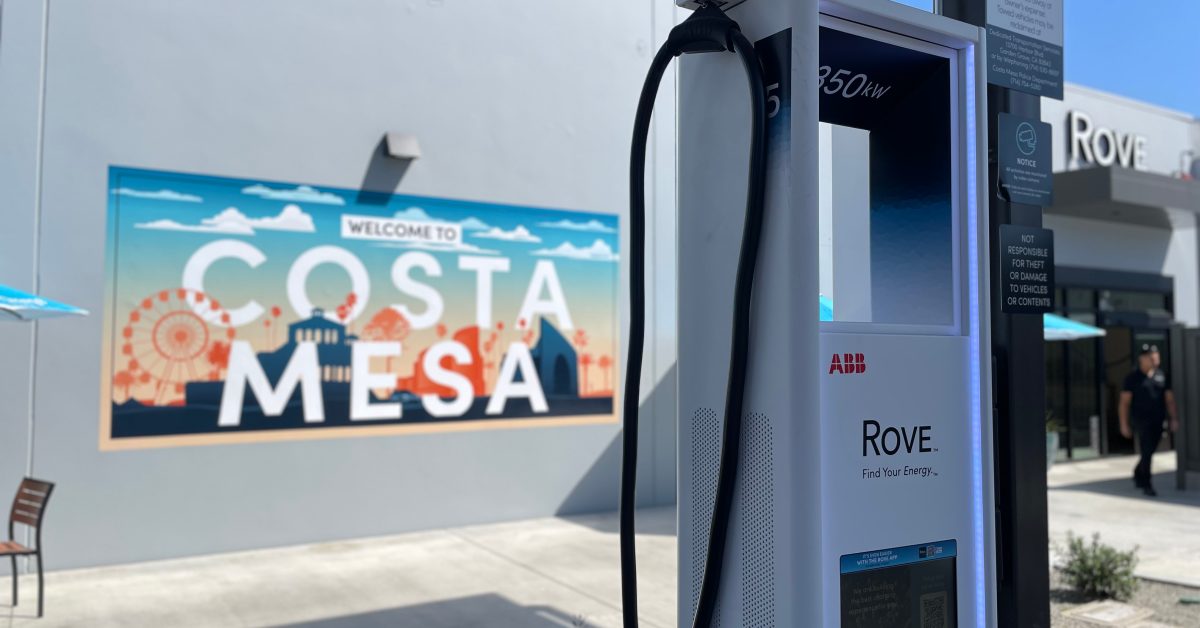
Rove opens its second full-service EV charging hub in Costa Mesa, aiming to transform the charging experience with amenities and comfort. A game changer for EV drivers.