May 2026: Hybrids & PHEVs Evolve for the Modern Driver
May 2026: Hybrids & PHEVs Evolve for the Modern Driver
Welcome back to GoEVDaily, your trusted source for the latest in electric and electrified vehicles. As we roll into May 2026, the automotive landscape continues its rapid evolution, and while the spotlight often shines on Battery Electric Vehicles (BEVs), the roles of traditional hybrids and Plug-in Hybrid Electric Vehicles (PHEVs) are more defined and crucial than ever. They are not merely stepping stones but sophisticated, practical solutions for millions of drivers navigating a world with varying charging infrastructures and diverse driving demands.
Market Trends: A Maturing Electrified Landscape
The global plug-in hybrid electric vehicle (PHEV) market has solidified its position as a significant force, demonstrating robust growth, particularly in regions where charging infrastructure is still developing or for consumers with specific range anxiety concerns. We're seeing a clear bifurcated strategy from manufacturers: a strong push for BEVs alongside a concerted effort to enhance and diversify their hybrid and PHEV offerings. Consumer demand for flexibility, fuel efficiency without range limitations, and reduced emissions continues to drive innovation in this segment.
One notable trend is the significant increase in the all-electric range of new PHEV models. What was once considered a decent 25-30 miles has now stretched to a more practical 40-60 miles on a single charge, making daily commutes entirely electric for a vast number of drivers. Hybrid powertrains, too, have become more sophisticated, integrating advanced battery management systems and more powerful electric motors, leading to impressive MPG figures previously thought impossible for their vehicle classes.
Technological Leaps and Enhanced Performance
The technological advancements in hybrids and PHEVs in the past year have been remarkable. We're observing:
- Extended EV Ranges: As mentioned, new battery chemistries and more efficient electric motors are pushing PHEV EV ranges well beyond the 40-mile mark, transforming them into true dual-purpose vehicles.
- Smarter Powertrain Integration: Modern systems seamlessly blend electric and gasoline power, often using AI-driven algorithms to optimize efficiency based on driving conditions, route data, and even driver behavior.
- Performance Hybrids: A growing number of manufacturers are leveraging electric boost to enhance performance, with several PHEV models now offering exhilarating acceleration alongside their efficiency credentials.
- Advanced Thermal Management: Improved battery cooling and heating systems ensure optimal performance and longevity for both hybrid and PHEV battery packs, even in extreme climates.
Spotlight on Key Models: May 2026 Edition
PHEVs Leading the Charge
The 2026 Toyota RAV4 Prime: Still a segment leader, the refreshed RAV4 Prime now boasts an impressive 50 miles of all-electric range, coupled with a potent 320 horsepower AWD system. Its starting price of around $45,500 makes it a compelling choice for families and adventurers alike. The updated infotainment system and enhanced driver-assist features further solidify its appeal.
The 2026 Hyundai Tucson PHEV: Hyundai continues its aggressive electrification strategy with the Tucson PHEV, now offering a competitive 42 miles of EV range and a combined output of 285 horsepower. Starting at approximately $39,800, it presents a stylish and value-packed option in the compact SUV PHEV segment, complete with a significantly improved interior.
The 2026 Volvo S60 Recharge: For those seeking luxury and performance, the S60 Recharge remains a top contender. With its updated powertrain delivering 455 horsepower and an extended 55 miles of pure electric driving, it combines Scandinavian elegance with formidable power. Prices begin around $53,000, offering a sophisticated alternative to traditional luxury sedans.
Hybrids: The Efficiency Workhorses
The 2026 Honda CR-V Hybrid: Honda's flagship hybrid SUV sees further refinement, achieving a remarkable 42 MPG combined for its AWD variant. With 215 horsepower, a spacious interior, and Honda's reputation for reliability, it's an ideal choice for practical-minded buyers. Expect pricing to start around $36,500.
The 2026 Toyota Camry Hybrid: The perennial best-seller, the Camry Hybrid, continues to set benchmarks for efficiency and comfort. The 2026 model boasts an astounding 55 MPG combined in its most efficient trim, paired with a smooth 208-horsepower powertrain. Starting at just under $33,000, it remains the go-to sedan for fuel-conscious commuters.
Hybrid vs. PHEV vs. BEV: A Quick Comparison
To help you decide which electrified path is right for you, here’s a snapshot of current offerings:
| Model | Type | EV Range | Total Range | MPG / MPGe | Starting Price |
|---|---|---|---|---|---|
| 2026 Toyota RAV4 Prime | PHEV | 50 miles | 600 miles | 38 MPG / 94 MPGe | $45,500 |
| 2026 Hyundai Tucson PHEV | PHEV | 42 miles | 550 miles | 36 MPG / 85 MPGe | $39,800 |
| 2026 Honda CR-V Hybrid | Hybrid | ~1 mile (EV Assist) | 570 miles | 42 MPG | $36,500 |
| 2026 Toyota Camry Hybrid | Hybrid | ~1 mile (EV Assist) | 680 miles | 55 MPG | $32,900 |
| 2026 Tesla Model 3 Long Range | BEV | N/A (Full EV) | 330 miles | 130 MPGe | $48,000 |
Actionable Information for Buyers and Enthusiasts
For buyers considering an electrified vehicle in May 2026, the choice between a hybrid, PHEV, or BEV is more nuanced than ever:
- Choose a Hybrid if: You prioritize maximum fuel efficiency, require extensive range without needing to plug in, and want a lower upfront cost. Modern hybrids offer excellent MPG and seamless operation.
- Choose a PHEV if: You have access to home or work charging and want the flexibility of daily electric driving (for 40-60 miles) combined with the peace of mind of a gasoline engine for longer trips. PHEVs significantly reduce your fuel consumption and emissions.
- Choose a BEV if: You have consistent access to charging, are comfortable with planning longer trips around charging stops, and want to eliminate tailpipe emissions entirely. BEVs offer a superior driving experience and typically lower running costs.
Remember to factor in potential federal or local incentives, which can significantly impact the final purchase price of PHEVs and BEVs. Always test drive multiple options to find the vehicle that best suits your lifestyle and driving habits.
The Road Ahead
As we look to the rest of 2026 and beyond, hybrids and PHEVs will continue to play a vital role. They offer a practical, efficient, and increasingly advanced pathway towards a fully electrified future, allowing more drivers to embrace sustainable mobility without compromise. Keep an eye on GoEVDaily for more updates as this exciting segment continues to evolve!
Hybrid & PHEV Resurgence: Extended Range, Price Drops, & New Models for April 2026
April 2026 marks a pivotal moment for hybrids and PHEVs, with extended electric ranges beyond 50 miles, significant market growth, and anticipated price reductions. Automakers are recalibrating strategies, making now an opportune time for buyers to explore the latest efficient and powerful models hitting the market.
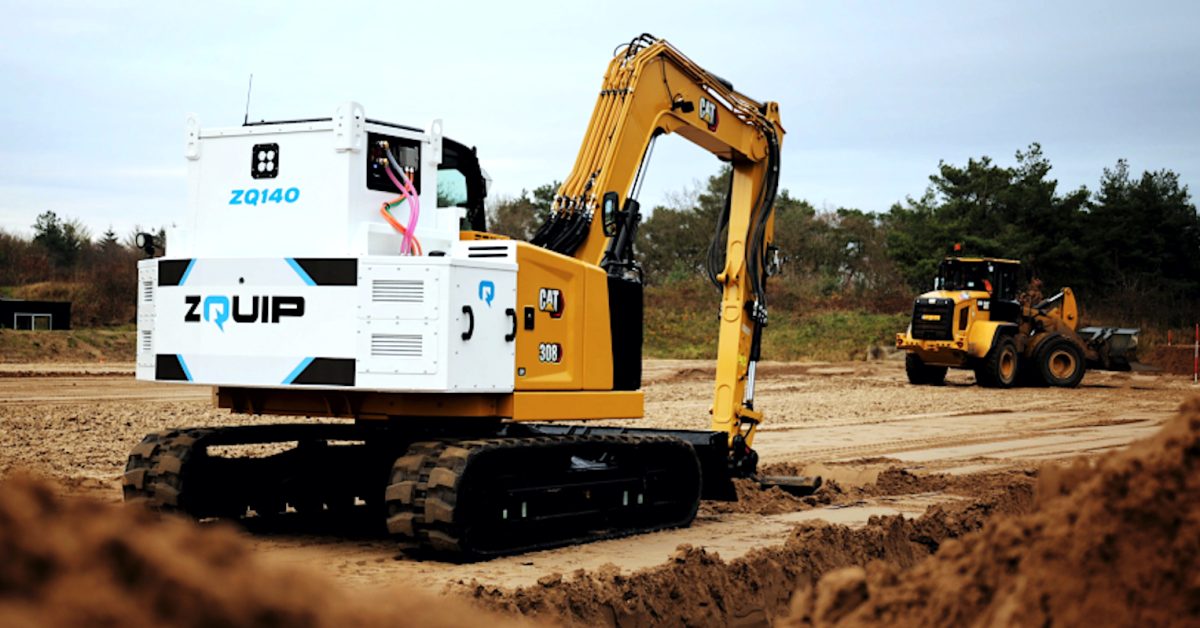
The Hybrid Solution You Didn’t Know You Needed: MOOG’s Fuel-Agnostic Tech Reshaping Fleet Electrification
MOOG’s new tech allows heavy machinery to run on diesel, CNG, or battery power. This multi-fuel approach offers fleets a low-risk path to decarbonization.
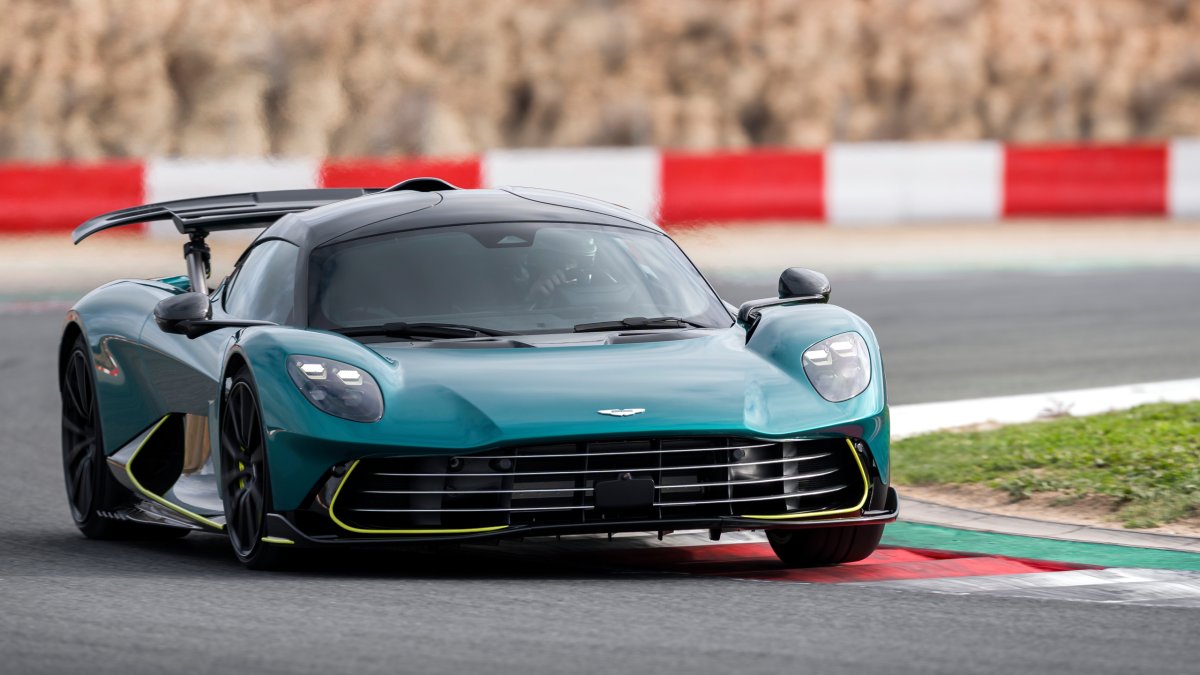
Aston Martin Valhalla: A Hybrid Hypercar Roaring Towards an Electric Future
Aston Martin’s Valhalla is a plug-in hybrid hypercar offering a glimpse into high-performance electrification. See why this ‘pavement monster’ matters for the future of EVs.