VW's Cost-Cutting Signals Broader EV Market Adjustments
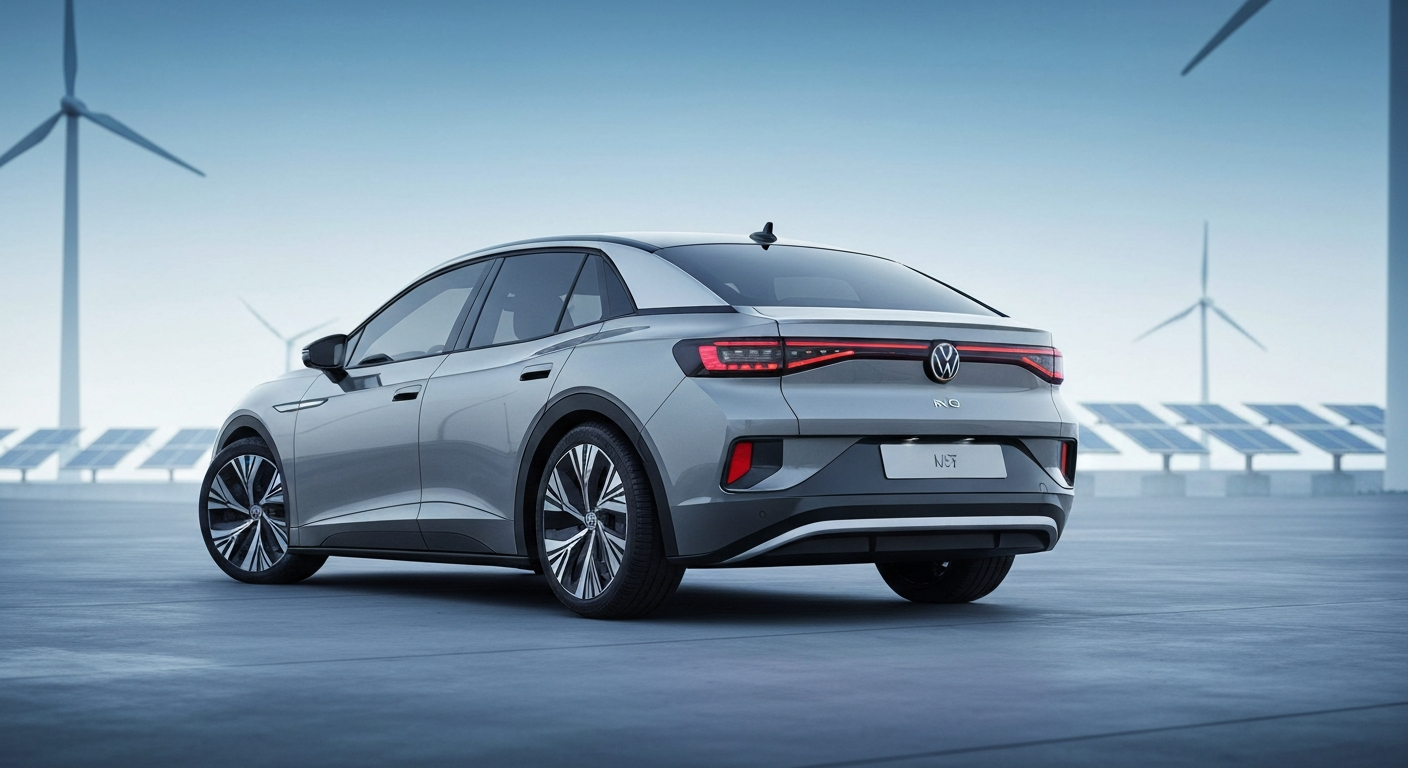
Volkswagen's Strategic Re-evaluation Amid EV Landscape Shifts
In a development that has captured the attention of the global automotive industry, reports indicate that Volkswagen is considering further cost-cutting measures due to lower-than-expected performance in certain areas of its operations. While specifics of the 'lower-than-expected' metrics remain under wraps, this potential strategic adjustment by one of the world's largest automakers sends a ripple through the rapidly evolving electric vehicle (EV) market. For enthusiasts and prospective buyers following GoEVDaily, such news isn't merely a financial footnote; it's a potential bellwether for the industry's direction, influencing everything from vehicle development timelines to pricing strategies.
Volkswagen, a brand deeply committed to its ambitious electrification goals with substantial investments in platforms like MEB and SSP, faces the complex reality of a maturing market. The initial surge of early adopters has largely been absorbed, and the industry is now striving to attract a broader, more cost-conscious mainstream consumer base. This transition naturally brings new pressures, and even giants like VW are not immune to the need for continuous optimization.
The Maturing EV Market: Beyond the Early Adopters
The electric vehicle landscape, once characterized by explosive growth and seemingly limitless potential, is undergoing a significant maturation phase. What was once a greenfield for innovation is now a competitive battleground where efficiency and strategic execution are paramount. Several factors are contributing to the 'lower-than-expected' scenarios that automakers, including Volkswagen, might be navigating:
- Increased Competition Across All Segments: From budget-friendly compacts to luxury SUVs, almost every automaker now offers compelling EV options. This saturation intensifies price pressure and demands greater differentiation.
- Slower-than-Anticipated Charging Infrastructure Build-Out: Despite significant progress, the availability and reliability of public charging infrastructure remain a bottleneck for many potential buyers, particularly in less urbanized areas.
- Higher-than-Expected Raw Material Costs: The global supply chain for critical battery components continues to face volatility, impacting manufacturing costs and profitability.
- Economic Headwinds and Consumer Spending: Global economic uncertainties, inflation, and interest rate hikes are impacting consumer purchasing power, especially for high-ticket items like new vehicles.
- Software Complexities and Development Costs: The transition to software-defined vehicles requires massive investment in R&D, often leading to delays and unexpected expenses.
- Shifting Consumer Priorities: Mainstream buyers prioritize affordability, convenience, and proven reliability over cutting-edge features, putting pressure on manufacturers to deliver value.
These challenges collectively paint a picture of an industry recalibrating its expectations and operations to align with a more nuanced market reality. Automakers are learning that simply producing EVs isn't enough; they must be produced efficiently, competitively priced, and supported by robust infrastructure and customer experience.
What VW's Potential Moves Could Mean for Buyers and the Industry
Should Volkswagen indeed implement significant cost-cutting measures, the implications could be far-reaching for consumers and the broader EV industry:
- Strategic Model Prioritization: We might see a slower rollout of new, highly specialized or more expensive models, with a greater focus on optimizing and expanding production of core, high-volume EVs that deliver strong ROI. This could mean more accessible models get priority.
- Aggressive Pricing and Incentives: To maintain market share and clear inventory, automakers facing profitability pressures may resort to more competitive pricing strategies, including discounts, lease deals, or enhanced incentives. This could be a boon for buyers.
- Focus on Platform Efficiency: Expect an even greater emphasis on modular platforms (like VW's SSP) designed for maximum component sharing and cost reduction across multiple models and brands. This drives down per-unit costs but might lead to less unique differentiation between models within a brand family.
- Supply Chain Optimization: Efforts to localize supply chains and secure long-term contracts for raw materials at favorable prices will intensify, potentially leading to more stable production but also influencing vehicle specifications based on component availability.
- Impact on Charging Infrastructure Investment: While not directly tied to vehicle production, cost-cutting could indirectly influence the pace or scope of automaker investments in charging networks, potentially shifting more of that burden to third-party providers or government initiatives.
Ultimately, Volkswagen's strategic considerations could serve as a leading indicator for other major players. If one of the industry's titans feels the pinch, it suggests a broader trend towards increased fiscal discipline and a sharper focus on profitability in the EV space. This isn't necessarily negative; it could foster a more sustainable and mature market in the long run.
The Road Ahead: Innovation and Sustainability Remain Key
Despite the challenges and the need for financial adjustments, the long-term trajectory for electric vehicles remains overwhelmingly positive. The fundamental drivers—environmental concerns, regulatory mandates, and technological advancements—are still firmly in place. Automakers, including Volkswagen, will undoubtedly continue to innovate, but with a renewed emphasis on efficiency and strategic value.
Key areas of continued focus will include:
- Next-Generation Battery Technology: Breakthroughs in solid-state batteries, sodium-ion, or other chemistries promise lower costs, greater energy density, and faster charging, which are crucial for mass adoption.
- Software-Defined Vehicles and User Experience: Enhancing the in-car digital experience, connectivity, and autonomous driving features will be vital for differentiation and creating brand loyalty.
- Circular Economy and Sustainability: From ethical sourcing of materials to battery recycling, sustainability will become an even greater competitive advantage and regulatory necessity.
- Affordable EV Segments: Expanding into more accessible price points remains critical for broadening the market appeal beyond affluent buyers.
Volkswagen's potential cost-cutting measures are a stark reminder that even industry giants must constantly adapt in a dynamic market. For GoEVDaily readers, it underscores the importance of staying informed about these macro trends, as they directly influence the availability, pricing, and features of the EVs you might be considering. The journey to a fully electric future is not without its bumps, but strategic navigation by key players like VW will ultimately shape a more robust and accessible EV ecosystem for everyone.
EV Market Surges Mid-2026: Innovation Drives Mainstream Adoption
As of May 2026, the electric vehicle market is experiencing unprecedented growth, fueled by rapid advancements in battery technology and a burgeoning charging infrastructure. Industry leaders and emerging players are fiercely competing, pushing the boundaries of what EVs can offer consumers globally, from range and performance to affordability and sustainability.
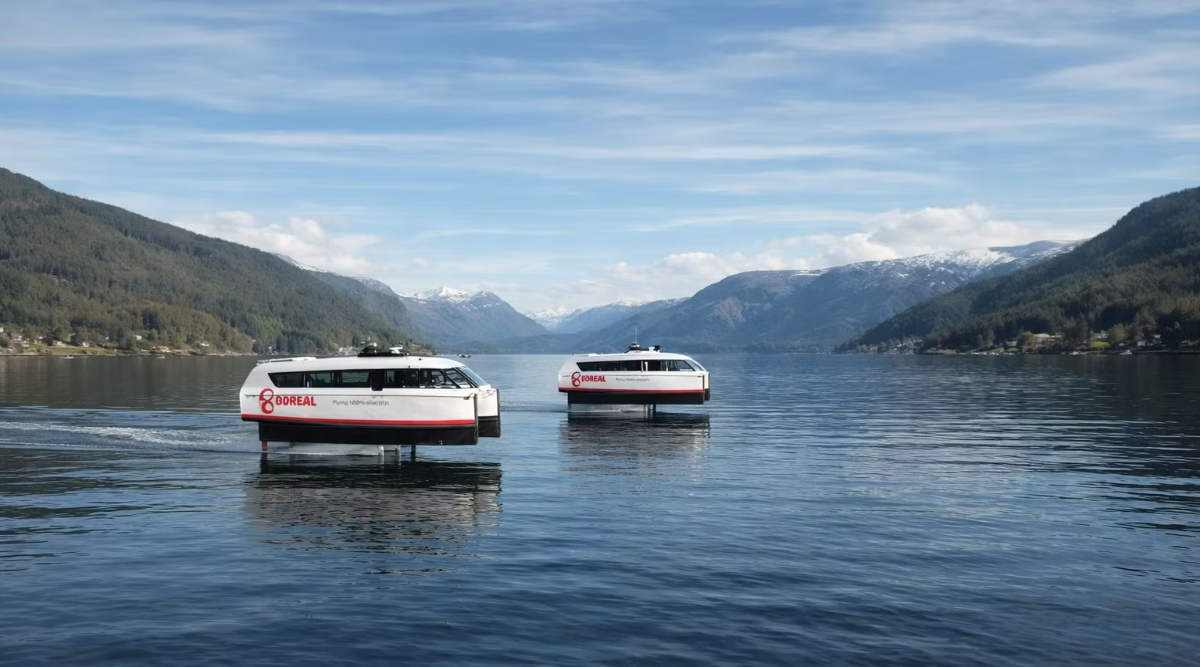
Norway’s Bold Move: 20 Candela Electric Ferries Chart a Course for Sustainable Water Travel
Norway’s Boreal orders 20 Candela electric ferries, replacing diesel ships. A huge leap for sustainable water travel and a testament to EV technology’s widespread adoption.

Europe’s 2040 Climate Goals: What It Means for Your Next EV
Europe’s ambitious 2040 climate targets will profoundly impact the global EV market, accelerating innovation, infrastructure, and energy security for electric vehicle owners.